Pakistan, Central Asia, and The Transchina Trade Corridor
By Syed Fazl-e-Haider
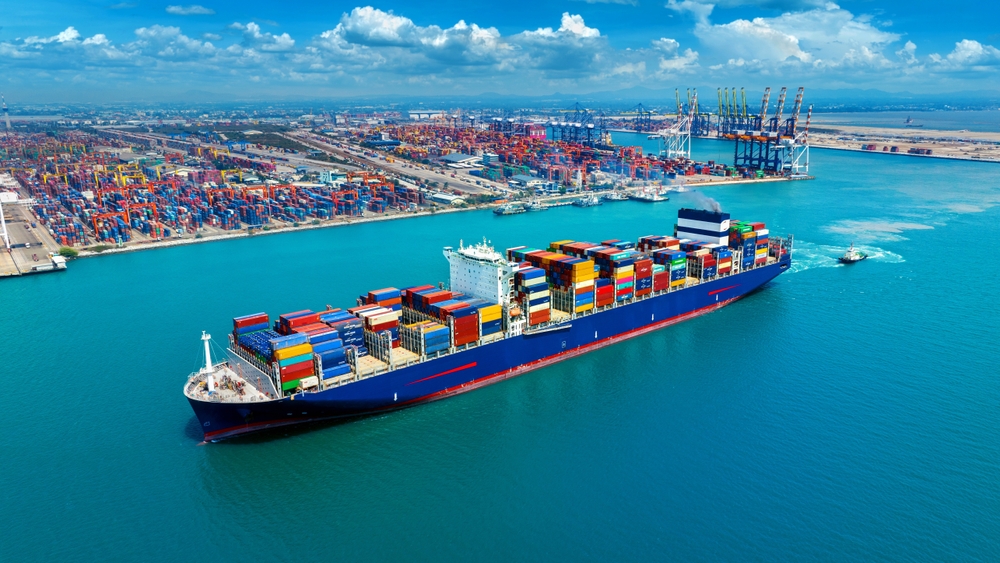
Tashkent and Islamabad have agreed to expand bilateral trade through routes traversing China, as Pakistan-Afghanistan tensions and the war in Iran have disrupted existing trade links. Pakistan’s conflict with Afghanistan has made the prospects for trans-Afghan corridors connecting Central Asia with Pakistan increasingly uncertain. Meanwhile, renewed U.S.-Iran fighting has made trans-Iranian routes an unreliable option for Pakistan’s trade with Central Asia. Pakistan and Central Asian states such as Kyrgyzstan are therefore promoting an overland route through China that bypasses Afghanistan. Besides providing Pakistan and Central Asia with a corridor avoiding both Afghanistan and Iran, this route creates opportunities to extend the China-Pakistan Economic Corridor (CPEC), a key component of China’s Belt and Road Initiative (BRI), into Central Asia.
BACKGROUND:
Afghanistan has long represented the most viable transit route for trade between Pakistan and the Central Asian Republics (CARs). However, decades of conflict have prevented plans for a Trans-Afghan trade corridor connecting Central Asia with Pakistan from materialising. More recently, escalating Pakistan-Afghanistan tensions over cross-border terrorism have further undermined prospects for developing these routes. Relations deteriorated sharply in October 2025 following border clashes, prompting Islamabad to suspend truck-borne trade through the main Torkham and Chaman crossings. In February 2026, Islamabad declared an open war against Afghanistan and launched airstrikes targeting alleged terrorist sanctuaries inside the country.
In April, Islamabad opened six overland transit routes for goods destined for Iran amid the U.S. blockade of Iranian ports. These routes allowed goods from third countries to transit Pakistan and enter Iran by road. The designated corridors connect Pakistani seaports with two Iranian border crossings, providing a viable route towards Turkmenistan and Uzbekistan. In April, Islamabad dispatched its first shipment of frozen meat to Tashkent via Iran.
Pakistan activated new routes through Iran for trade with the CARs, but renewed U.S.-Iran hostilities over the Strait of Hormuz have undermined their viability. The trans-China route has consequently emerged as the most viable and secure remaining option for trade between Pakistan and Central Asia. Both sides are therefore increasingly prioritizing the development of the trans-China trade corridor.
The trans-China option has long featured in discussions between Pakistani and Central Asian leaders due to security concerns in Afghanistan. In November 2025, Uzbekistan and Pakistan agreed to develop trade along two major land routes bypassing Afghanistan: the Pakistan-China-Tajikistan-Uzbekistan and Pakistan-China-Kyrgyzstan-Uzbekistan corridors.
In April, Kyrgyzstan successfully tested an overland route to Pakistan via China, bypassing Afghanistan. A truck carrying Kyrgyz goods reached the Pakistani port of Karachi via China along the Karakoram Highway. Islamabad considers routes connecting Pakistan with Bishkek and Almaty more secure than the Trans-Afghan alternatives.
Several Central Asian leaders have visited Pakistan over the past ten months. Kyrgyz President Sadyr Japarov visited Islamabad in December 2025, followed by Uzbek President Shavkat Mirziyoyev and Kazakh President Kassym-Jomart Tokayev in February 2026. Their discussions with Pakistani leaders focused primarily on connectivity projects providing the CARs with access to Pakistan’s seaports at Karachi, Gwadar, and Bin Qasim.
Uzbekistan and Pakistan have agreed to amend their transit trade agreement to formally incorporate the China corridor. This would allow goods to transit through the Sost dry port and western China before reaching Central Asia. In July, Uzbekistan’s Deputy Prime Minister was scheduled to visit Pakistan, but the visit was postponed at Tashkent’s request. During the visit, the two countries were expected to sign a protocol formally incorporating the China corridor into their transit trade agreement.
Currently, routes through China have become Pakistan’s preferred option for regional connectivity and the extension of CPEC.
IMPLICATIONS:
Deteriorating relations with the Taliban regime, recurring border clashes, and terrorist sanctuaries in Afghanistan have prompted a major shift in Islamabad’s Afghanistan policy, accelerating its turn towards routes through China. While the activation of the China corridor could undermine planned connectivity projects between Pakistan and the CARs, it may strengthen alternative regional initiatives. The future of the Uzbekistan-Afghanistan-Pakistan (UAP) railway, for instance, appears increasingly uncertain. Launched in 2021, the UAP railway aims to connect Central Asia with Pakistani seaports through Afghanistan.
Conversely, completion of the China-Kyrgyzstan-Uzbekistan (CKU) railway could make Pakistan’s Gwadar port one of the shortest trade routes for Central Asia. The CKU railway is a strategic connectivity project linking Kashgar in China with Kyrgyzstan and Uzbekistan. From Kashgar, existing and planned transport links could connect the railway southwards with Gwadar through CPEC, providing Central Asia with access to the Arabian Sea.
Infrastructure development could further increase trade along the China corridor. Key projects include upgrading the Karachi–Peshawar ML-1 railway, expanding the Karakoram Highway, developing Gwadar Port as a warm-water outlet for the CARs, and expanding dry ports and logistics networks. Together, these projects could improve the efficiency and capacity of the China route.
Although Beijing, Islamabad, and Kabul have already agreed to extend CPEC to Afghanistan and Central Asia, the China corridor could accelerate its direct extension into Central Asia. CPEC connects China’s Xinjiang region with Pakistan’s Gwadar port in Balochistan through a network of highways, railways, and energy infrastructure.
The rerouting will provide Pakistan with an alternative route to Central Asia while maintaining Uzbekistan’s access to the Pakistani ports of Gwadar and Karachi. Uzbekistan has emerged as Pakistan’s key economic partner in Central Asia. Although the China corridor bypasses instability in both Afghanistan and Iran, it is longer and more expensive than the Trans-Afghan route due to greater distances, higher handling costs, additional border procedures, and longer transit times. The China corridor could therefore serve as a strategic alternative in the short term, but is unlikely to fully replace the Afghan route commercially in the longer term. Improved infrastructure along the China route could enable Pakistan to connect with Kyrgyzstan, Kazakhstan, and Tajikistan via the Khunjerab Pass.
CONCLUSIONS:
Geopolitics and security will ultimately determine the development of trade corridors between Pakistan and the CARs. The Pakistan-Afghanistan conflict has undermined prospects for the Trans-Afghan corridor, while the war in Iran has reduced the viability of the Trans-Iranian route. Under these conditions, the Trans-China corridor offers a comparatively secure and viable alternative for both Pakistan and the CARs. It could therefore serve as a strategic safeguard against regional instability stemming from conflicts in Afghanistan and Iran.
Pakistan’s importance as a trade outlet is widely recognized in Central Asia. The landlocked CARs seek access to Pakistani seaports through Afghanistan, Iran, or China to facilitate global trade. However, growing security concerns surrounding the Afghan and Iranian routes are likely to increase Central Asian interest in accessing Pakistani ports through the comparatively secure China corridor.
Pakistan, China, and the CARs could enhance the corridor by improving infrastructure, extending CPEC into Central Asia, and streamlining cargo clearance procedures at their borders. Such measures could address existing constraints and make the China route more cost-effective and commercially attractive.
AUTHORS BIO:
Syed Fazl-e-Haider is a Karachi-based analyst at the Wikistrat. He is a freelance columnist and the author of several books. He has contributed articles and analysis to a range of publications. He is a regular contributor to Eurasia Daily Monitor of Jamestown Foundation Email: This email address is being protected from spambots. You need JavaScript enabled to view it. .
Uzbekistan's Caucasus Turn: What Mirziyoyev’s Tbilisi Visit Means for the Middle Corridor and the CKU Railway
By Kodirjon Eshonkulov
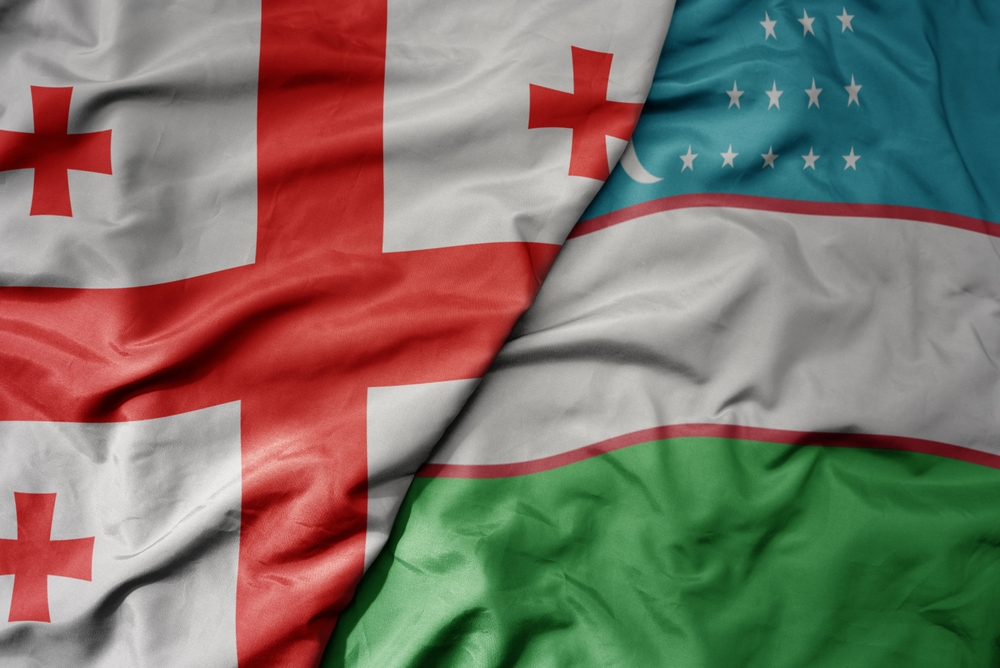
On July 2–3, 2026, President Shavkat Mirziyoyev paid Uzbekistan's first presidential state visit to Georgia in 23 years, elevating bilateral ties to a strategic partnership. Coming weeks after a similar upgrade with Kazakhstan and a wave of Georgian ministerial visits across Central Asia, the trip is not a bilateral curiosity but a marker of a structural shift: Central Asian states are actively re-anchoring their westward connectivity strategy in the South Caucasus, and doing so on terms decoupled from the European Union's political relationship with Tbilisi. For the future of the China–Kyrgyzstan–Uzbekistan (CKU) railway and Middle Corridor connectivity, the durability of this Caucasus terminus may matter as much as the eastern infrastructure itself.
BACKGROUND:
Uzbekistan and Georgia established diplomatic relations in 1994, formalized a year later through a Treaty of Friendship and Cooperation, and have since maintained a modest but steadily expanding relationship built on trade, direct Tashkent–Tbilisi and Tashkent–Batumi flights, and cultural exchange through Tbilisi's Georgian Cultural Center Megobroba, active since the same year. Bilateral trade reached roughly US$ 270 million by the end of 2025, a meaningful but still marginal figure relative to Uzbekistan’s overall trade portfolio. Momentum built gradually: Georgian Prime Minister Irakli Kobakhidze visited Tashkent in March 2025, and Days of Georgian Culture were held in Tashkent this past March.
What distinguishes the July 2026 visit is both its symbolism and its timing. Mirziyoyev’s trip was the first at head-of-state level in over two decades, and it produced a Joint Declaration establishing a strategic partnership, alongside sectoral memoranda spanning economy, healthcare, agriculture, finance, customs, education, ICT, and culture. Crucially, it did not occur in isolation. It followed Georgian Dream ministers’ consecutive June visits to Kyrgyzstan, Tajikistan, and Kazakhstan, and preceded Kazakhstan’s own strategic partnership agreement with Georgia (signed June 30 in Astana) by only days. A visit by Turkmenistan’s president to Tbilisi is reportedly also being prepared. Taken together, this is not a single bilateral gesture but a coordinated Georgian campaign to institutionalize relations across the entire Central Asian core, and a reciprocal Central Asian interest in securing a reliable Caucasus foothold. Beyond official protocol, the visit registers concretely at the level of Uzbekistan’s exporting businesses. Investment and Trade Minister Laziz Qudratov described how domestic manufacturers in textiles, food processing, and household appliances plan to complete final production stages inside Georgia’s Poti free economic zone before re-exporting to third-country markets — a practical illustration of how exporters, not only diplomats, are recalibrating around the Caucasus route. Local reporting on the visit also cited a nearly US$ 400 million prospective portfolio of hotel and residential projects tied to the deepening exchange. Georgian President Mikheil Kavelashvili, for his part, publicly framed the partnership as reinforcing Middle Corridor connectivity between the South Caucasus and Central Asia, suggesting the recalibration is felt on both sides of the route rather than driven solely from Tashkent.
IMPLICATIONS:
The logic behind this convergence is best understood through the lens of the Middle Corridor, the Trans-Caspian trade route linking Central Asia and China to Europe via the Caspian Sea, the South Caucasus, and the Black Sea, explicitly designed to bypass Russian territory. Since 2022, the corridor has moved from a secondary alternative to a strategic necessity for Eurasian trade planners, precisely because the northern route through Russia carries mounting sanctions risk and reputational cost. For Uzbekistan, this matters concretely: the CKU railway, once operational, will generate westward-bound freight that needs a credible onward path to European markets. Georgia's Black Sea ports, Poti and Batumi, are the corridor’s terminal gateway. A CKU line that ends without a secure, upgraded, and diplomatically stable corridor beyond the Caspian is a truncated asset. Mirziyoyev’s visit, and the accompanying attention to industrial, logistics, and tourism cooperation, should be read as an attempt to secure that missing western half of the chain.
This is where the visit’s timing against Georgia’s own geopolitical trajectory becomes analytically significant. Georgia’s EU accession process has been effectively frozen since 2024, following the Georgian Dream government’s foreign-agents legislation and its own decision to suspend accession talks until 2028. The European Council has described the process as being at a “standstill,” and the EU has cut assistance and partially suspended visa facilitation. Yet, notably, working-level cooperation between Georgian officials and their EU, NATO, and U.S. counterparts has reportedly continued largely undisturbed, and Brussels has kept investing in interconnection projects that run through Georgian territory, including Black Sea undersea cable plans advanced via a Romania-Georgia memorandum earlier this year.
This produces what might be called a decoupling of infrastructural and normative logics. Political-value alignment between Tbilisi and Brussels has deteriorated, but the geographic and commercial rationale for treating Georgia as an indispensable transit state has not, incentivizing Central Asian capitals to deepen engagement with Georgia on infrastructure, trade, and logistics. This gives Tashkent room to pursue a transactional, interest-based diplomacy toward the Caucasus, a pattern consistent with Uzbekistan’s broader post-2016 foreign policy style, which has generally prioritized connectivity and economic diversification over alignment with any single bloc’s political conditionality.
Armenia constitutes another important part of the equation. Georgia is currently viewed, including by Armenian officials, as the most EU-oriented state in the South Caucasus and as a de facto gateway for Armenia’s own European aspirations. Should Armenian-Azerbaijani normalization progress, particularly regarding transit arrangements sometimes referenced as the Zangezur corridor, a second Caucasus route could eventually supplement the existing Azerbaijan–Georgia axis, further reducing Central Asia’s dependence on any single transit state and adding redundancy to the Middle Corridor architecture. For now, however, the corridor’s practical backbone remains the Azerbaijan–Georgia pairing, with Uzbekistan’s new strategic partnership effectively buying insurance on the Georgian half of that pairing.
CONCLUSIONS:
Mirziyoyev’s Tbilisi visit should not be filed away as routine diplomatic housekeeping. It is best understood as one node in a broader, near-simultaneous Central Asian recalibration toward the South Caucasus, running parallel to, and largely independent of, the EU’s own frozen political relationship with Georgia. The distinction matters: it suggests that the Middle Corridor’s institutional foundations are being built on transactional infrastructure diplomacy rather than shared democratic conditionality, a divergence that may serve Central Asian connectivity interests in the near term but could complicate future efforts to fold these corridors into EU-backed connectivity frameworks such as Global Gateway. For the CKU railway’s long-term commercial viability, the durability of Uzbekistan’s new Georgian partnership, and the corridor’s insulation from further South Caucasus political volatility, will matter as much as the completion of the tracks themselves.
AUTHOR’S BIO:
Kodirjon Eshonkulov is an independent researcher specializing in Central Asian geopolitics, transboundary infrastructure politics, international relations with Europe and a recent graduate of Ajou University’s Graduate School of International Studies in South Korea. He was worked as a political correspondent on Uzbekistan’s social and political reforms after 2017. He has published several articles in The Times of Central Asia about Uzbekistan’s water scarcity problem and its relations with Afghan Taliban government on the Koshtepa canal.
The Taliban’s Drone Program and Pakistan’s Counter-UAV Challenge
By Umair Jamal
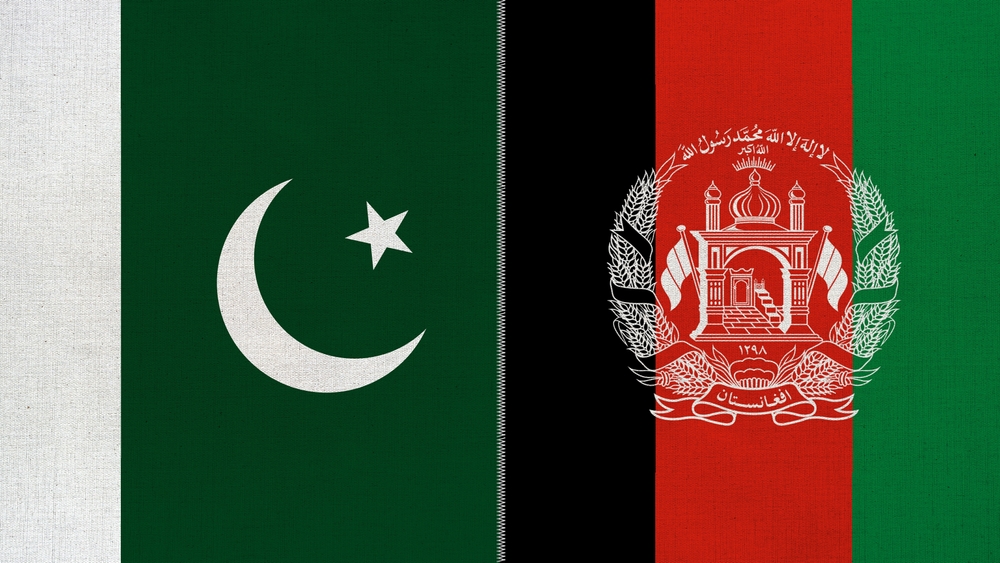
The Afghan Taliban’s growing investment in drone technology is seemingly a response to their conventional military limitations. Rather than a surprising development, it reflects a broader global trend where actors with limited resources use affordable drone systems to challenge better-equipped opponents like Pakistan. This capability not only strengthens the Taliban’s asymmetric warfare options but also raises serious concerns about technology proliferation to other militant groups, including the Tehrik-i-Taliban Pakistan (TTP), and its impact on regional stability.
BACKGROUND:
Since returning to power in August 2021, the Taliban have faced severe constraints, including the lack of a functional air force and heavy international sanctions. It seems they have turned to unmanned aerial vehicles (UAVs) as a feasible and cost-effective solution for surveillance and limited strike missions.
According to ACLED data, the Taliban first began using drones in a military capacity in February this year, with at least 12 recorded instances of strikes into Pakistan. These have included cross-border attacks targeting Pakistani security posts, with some attempts reaching deeper into Pakistani territory. Initially employed for propaganda, the platforms have evolved into weaponized systems.
The Taliban are actively working to build domestic drone production capabilities. Reports point to front companies such as Dinit Technology offering lucrative contracts to engineers and robotics experts in Afghanistan to join the program. Moreover, recruitment efforts have also targeted universities, with Taliban officials showing interest in student drone projects.
The Daily Mail recently reported that the Taliban are using a former Special Air Service (SAS) base in Logar Province as the primary test site for the new drones. According to one report, the Taliban are now sourcing electronic and mechanical parts – GPS modules, electric motors, flight control systems, and sensors – from black markets and smuggling networks for these purposes as the group lacks any formal agreement with any country. Although designed for civilian use, these items are reportedly being repurposed to produce increasingly sophisticated drones capable of medium-altitude flight, reconnaissance, and precision strikes.
Local production and maintenance facilities are seemingly being established at a rapid pace. For many Afghans, these developments may be viewed with a mix of nationalist sentiment and concern about prolonged conflict as advancing drone capabilities could draw increased foreign attention and potentially intensify conflict in the region. Communities near the border regions of Pakistan and Afghanistan are already experiencing the direct effects of heightened tensions and increased militarization.
IMPLICATIONS:
The Taliban’s drone program is a clear example of how emerging technologies enable resource-limited actors to challenge conventionally superior opponents.
This logic has become increasingly evident during Russia’s war in Ukraine, where drones have proved highly effective against better-resourced forces. Arguably, the same advantage applies to both state and non-state actors, explaining why both the Taliban and groups like the TTP are heavily investing in drone capabilities.
For Pakistan, which has traditionally relied on conventional military superiority, this development poses a direct challenge. For instance, cross-border drone activity has already increased pressure on border defenses and air surveillance systems.
Pakistan, like many countries heavily invested in traditional military hardware, has lagged in developing effective counter-drone technologies. Its defense doctrine and procurement have historically prioritized conventional assets such as fighter jets, tanks, and artillery systems, leaving gaps in addressing low-cost and asymmetric threats like modified commercial drones.
This technological lag has become particularly evident in recent border incidents, where Pakistani forces have struggled to consistently detect and neutralize small and low-flying UAVs used by the Taliban and TTP. As a result, Islamabad has had to rely on ad-hoc measures and international partnerships to bolster its counter-drone capabilities, highlighting the urgent need for greater investment in specialized electronic warfare, radar systems, and drone-jamming technologies tailored to the evolving regional threat landscape.
There are concrete examples that illustrate the growing threat. For instance, the TTP has repeatedly used commercial, suicide, and quadcopter drones against Pakistani security forces in multiple operations along the border regions, demonstrating their increasing tactical sophistication.
The conflict took a stark turn in December 2025 when the TTP formally announced the creation of its own dedicated Air Force unit. This development reflected a heavily altered operational reality on the ground. Data from Pakistan’s Inter-Services Public Relations (ISPR) acknowledged that security forces faced over 400 quadcopter and drone-related militant incidents in late 2025 alone. This sudden surge has opened critical gaps in Pakistan’s conventional military defense. While the state’s defense apparatus can effectively neutralize high-value projectiles using localized electronic jamming, it struggles against the stark asymmetry of commercial off-the-shelf drones costing a mere US$ 200 to US$ 1,000 per unit. By deploying these cheap systems at volume, the TTP usually employs saturation strategies that threaten to overwhelm the military’s conventional electronic jammers and physical defense systems.
From Pakistan’s perspective, the TTP’s growing use of drones has become a serious operational challenge for law enforcement in Khyber Pakhtunkhwa (KP). Senior KP police officials have acknowledged that commercial and quadcopter drones are increasingly used for surveillance of security convoys and to guide suicide attacks, making traditional policing methods inadequate. At times, the TTP follow a saturation strategy, employing drones and militants armed with sophisticated infantry weapons, stretching the presence of security forces, and then attacking through heavy blasts, e.g. car bombs.
This evolving threat has forced provincial police in Pakistan’s KP province to accelerate modernization efforts, including procurement of anti-drone systems, electronic jamming equipment, and specialized training for rapid response units. Moreover, police forces in KP province that face attacks from TTP have undertaken modernization efforts, with provincial police setting up a dedicated drone training school in Nowshera. Recently, the Khyber Pakhtunkhwa Police received 76 AI-powered drones with advanced surveillance and thermal imaging technology.
The pressure from TTP drone-enabled operations has compelled law enforcement agencies to shift from conventional ground-focused tactics toward integrated counter-drone strategies, highlighting the urgent need to bridge critical capability gaps along the border regions. The Khyber Pakhtunkhwa police claimed in July that it foiled 341 drone attacks by TTP militants with the help of modern technology in the last six months.
The Afghan Taliban, for their part, have actively employed modified commercial drones not only for reconnaissance but also as counter-attack tools in response to Pakistani conventional strikes. They have publicly framed these operations as their de facto Air Force missions. For instance, the Taliban have allegedly used drones to hit ISIS-K elements in Baluchistan, reportedly in retaliation to Pakistani cross-border actions.
These drone strikes seemingly serve a dual purpose. They provide the Taliban with a much-needed ability to project strength and respond to external pressure, while also offering valuable propaganda material. For a regime facing domestic criticism for its inability to counter Pakistani incursions, drone operations have become a political lifeline as they help the Taliban portray themselves as capable defenders and boosting regime legitimacy. Repeated operations also allow the Taliban to improve target location accuracy and operational effectiveness
One of the most critical implications of this development is the extreme difficulty, perhaps impossibility, of controlling proliferation. Arguably, cheap and dual-use drone technology is far easier to acquire and modify than advanced weapons systems. Components are widely available on global black markets, with reports suggesting the Taliban acquire parts through smuggling networks, possibly involving suppliers from the broader region and beyond. International efforts to restrict access are likely to have limited impact given the commercial nature of the technology.
This proliferation risk extends beyond the Taliban. If the group continues advancing its program, expertise and components could spread to other militant factions operating from Afghan soil. This can further intensify cross-border militancy and complicate counter-terrorism efforts for Pakistan and Central Asian states.
More broadly, the program highlights the global challenge of dual-use technology proliferation. Even isolated regimes like the Taliban can develop disruptive tools through commercial channels. This adds to existing instability in South and Central Asia and tests the effectiveness of current international export control regimes.
CONCLUSIONS:
The Taliban’s pursuit of a domestic drone program represents a logical and predictable adaptation to their strategic constraints. While still evolving, these capabilities demonstrate how asymmetric tools are reshaping modern conflict.
The spread of this technology to groups like the TTP, combined with the lag in counter-drone defenses among regional powers, creates a more dangerous security environment.
As these capabilities mature, they risk heightening border tensions, increasing militarization, and generating new challenges for stability across South and Central Asia.
In this regard, greater international attention to monitoring dual-use technologies and fostering regional cooperation on counter-drone measures will be essential to mitigating these risks. Ultimately, the trajectory of the Taliban’s drone program may significantly influence the future security landscape of the region.
AUTHOR’S BIO:
Umair Jamal is a Ph.D. candidate at the University of Otago, New Zealand, and an analyst at Diplomat Risk Intelligence (DRI). His research focuses on counterterrorism and security issues in Pakistan, Afghanistan, and the broader Asia region. He offers analytical consulting to various think tanks and institutional clients in Pakistan and around the world. He has published for several media outlets, including Al-Jazeera, Foreign Policy, SCMP, The Diplomat, and the Huffington Post.
How Pakistan Is Reshaping Eurasian Trade Corridors
By Umair Jamal
Pakistan has approved and operationalized new land routes to connect Central Asian markets to Pakistani ports and beyond, utilizing strategic corridors through Iran and China to bypass Afghanistan entirely. This shift was solidified in April 2026 when Pakistan Customs launched the first export consignment from the Karachi Export Processing Zone to Kyrgyzstan via the Sost Dry Port in China under the TIR (Transports Internationaux Routiers) regime. Pakistan’s decision to diversify transit away from Afghanistan follows the indefinite closure of the Torkham and Chaman border crossings in October 2025 due to unmanageable security risks and cross-border militancy. By activating the Pakistan-Iran Transit Corridor and the Sost-Kyrgyzstan-China Corridor, Islamabad is dismantling Afghanistan’s traditional transit monopoly. Amidst the ongoing Strait of Hormuz crisis, these land routes, coupled with the rising prominence of Gwadar Port, position Pakistan as a critical, multi-modal bridge between the landlocked Eurasian heartland and global warm-water ports. These new land routes circumvent both maritime chokepoints and regional instability and provide Central Asian nations with secure and diversified avenues for trade and logistics.
BACKGROUND:
For decades, Pakistan’s overland access to the Central Asian countries was almost exclusively dependent on the Chaman and Torkham gateways through Afghanistan. From Pakistan’s perspective, this geographical bottleneck granted Kabul significant leverage, which was frequently used as a political tool during bilateral friction. However, since the Taliban’s return to power in 2021, this lifeline for both Central Asian states and Pakistan has transformed into a strategic liability.
Central Asian leadership has grown increasingly frustrated with the instability of the Afghan route. For instance, recurrent border closures, unpredictable transit fees, and the persistent threat posed by militant groups have undermined the region’s trade ambitions. This collective annoyance reached a decisive moment in October 2025, when in response to persistent cross-border militant attacks from Afghanistan, Pakistan decided to completely shut down the Afghan-Pakistani trade routes connecting Central Asia.
Seeking to bypass traditional transit hurdles, Pakistan recently proposed new trade corridors for Central Asian countries. In April 2026, senior representatives from Uzbekistan, Kyrgyzstan, and Tajikistan gathered in Karachi for a coordination ceremony, where Pakistan offered a permanent alternative to the Afghan route for global connectivity.
The ceremony marked the official activation of the Iran-based land route, with the first convoy of refrigerated trucks carrying frozen meat and assorted exports destined for Tashkent and Bishkek. The development signaled a regional consensus whereby Central Asia is no longer willing to wait for Afghan stability and seem poised to work with Pakistan to operate these new routes. Early data reflects this momentum, with over 14,000 metric tons of cargo successfully processed across both corridors.
Simultaneously, Pakistan’s private sector has already demonstrated that it can work via the northern bypass that sits on China’s Sost border, with the Hemani Group successfully delivering a 23.9-tonne consignment to Kyrgyzstan, cleared electronically via the Pakistan Single Window (PSW) system. This 3,300-kilometer Bishkek-Karachi route under the Quadrilateral Traffic in Transit Agreement (QTTA) has now seen its first reciprocal commercial runs, with Kyrgyz transport fleets bringing minerals and textiles south. Crucially, the cargo proved the viability of two-way transit over high-altitude passes, shifting the framework from a unilateral export pipeline into a functional bilateral trade loop.
These strategic developments are taking place at a crucial time in the region’s geopolitics and are set to have far reaching implications.
IMPLICATIONS:
These new corridors have immense strategic significance for Central Asia, as they offer a permanent exit from the long-standing Afghan dilemma. For instance, by utilizing the Gabd-Rimdan from Iran and Sost that relies on China, landlocked nations such as Uzbekistan and Kyrgyzstan have secured a reliable Southern route to the Arabian Sea. Uzbekistan has been particularly active along the western axis, using the Gabd-Rimdan border terminal, which was recently upgraded by the National Logistics Corporation (NLC) with modern scanning facilities, to consistently move agricultural equipment and industrial raw materials.
The diversification provides these countries with a professionalized trade environment characterized by reduced transit costs, effectively bypassing the unpredictable informal taxes and security delays inherent in the Afghan route.
Furthermore, the distance from the Iranian border to Gwadar port offers a significantly shorter alternative to the traditional northern routes through Russia or the volatile western corridors, while maintaining stability through direct institutional oversight via the TIR regime and electronic tracking under the Pakistan Single Window (PSW) system. This structural predictability has provided Central Asian exporters with a reliable maritime gateway that avoids the costly and multi-border transit loops through eastern Europe.
In the wake of these developments, Pakistan’s Gwadar Port is set to transition from a conceptual hub into the functional heart of Central Asian trade. Within the framework of the China Pakistan Economic Corridor’s Phase 2, the integration of trade from Central Asian countries via Iran and China validates the massive infrastructure investments previously made in Baluchistan.
This development is particularly critical given the ongoing Strait of Hormuz crisis. Gwadar is situated 400 km east of the strait and serves as a virtual bypass of the conflict zone, allowing Central Asian exports to reach international waters without entering the high-risk zones of the Persian Gulf.
For Pakistan, this creates a substantial economic windfall as well. By positioning itself as the primary transit state for a massive market, the country is positioning itself to secure consistent revenue through port handling, logistics, and transit fees. In the wake of the Strait of Hormuz crisis, tariff at the Gwadar port has multiplied.
Ultimately, these shifts represent a permanent structural setback and the long-term erosion of Afghan leverage. For decades, Kabul relied on its geographic status as a bridge between South and Central Asia to extract economic concessions and maintain political relevance. However, by demonstrating that trade can flow efficiently through Iran and China, Pakistan and the Central Asian countries have rendered the Afghan routes entirely optional.
If the Taliban regime remains unable or unwilling to secure its borders and dismantle militant sanctuaries, it faces the grim prospect of total economic isolation as regional trade patterns permanently realign around a more stable and predictable maritime-linked architecture.
Moreover, the strategic expansion of these corridors comes at a pivotal moment in the shifting Eurasian geopolitical landscape.
As the Iran-U.S. war reshapes regional alignments and trade security, these new routes grant Pakistan and Central Asia much-needed strategic maneuverability. They serve as a vital hedge, insulating regional economies from the instability of maritime corridors and the growing risk of chokepoint weaponization.
Furthermore, this realignment signals the emergence of a Middle-Power bloc where regional players like Pakistan, Iran, and the Central Asian Republics are prioritizing economic connectivity over historical ideological or security frictions.
For Pakistan, this transition from a security state to a geo-economic hub is not just about transit fees; it also constitutes an attempt to embed its stability with the economic wellbeing of its neighbors.
By providing a new route for Eurasian goods, Pakistan is trying to ensure that regional powers now have a vested interest in the security of Pakistan and the success of Gwadar port where Central Asian states will now have significant stakes.
CONCLUSIONS:
The approval of these alternative corridors demonstrates an important elevation of Islamabad’s regional standing. By linking Gwadar to Iranian and Chinese land routes to better serve Central Asia, Pakistan is effectively seeking to decouple its economic future from the instability of traditional Afghan transit. This development offers a stable gateway for regional states and signals a shift away from reliance on uncooperative neighbors. As the idea of Eurasian trade flowing through this multi-dimensional network gains relevance, Pakistan is going to position its southern coast as the indispensable hub of a new and more resilient economic order.
AUTHOR’S BIO:
Umair Jamal is a Ph.D. candidate at the University of Otago, New Zealand, and an analyst at Diplomat Risk Intelligence (DRI). His research focuses on counterterrorism and security issues in Pakistan, Afghanistan, and the broader Asia region. He offers analytical consulting to various think tanks and institutional clients in Pakistan and around the world. He has published for several media outlets, including Al-Jazeera, Foreign Policy, SCMP, The Diplomat, and the Huffington Post.
India vs Pakistan in the Race for Influence in Central Asia
By Syed Fazl-e-Haider
A recent succession of visits by Central Asian leaders to Islamabad over the past four months has drawn attention in New Delhi. In response, India has intensified its diplomatic engagement with the Central Asian Republics (CARs) to counter Pakistan’s expanding regional influence. Indian officials have conducted discussions with counterparts from Kyrgyzstan, Tajikistan, Turkmenistan, and Uzbekistan to strengthen economic ties. Concurrently, Pakistan has undertaken a significant policy shift by activating alternative trade corridors through China and Iran, reducing its reliance on routes via Afghanistan to access Central Asia. Despite this strategic rivalry, certain connectivity initiatives reveal areas of convergence and potential cooperation between India and Pakistan.

Photo by Alexander Lukatskiy, 2022
BACKGROUND:
Both India and Pakistan view post-Soviet Central Asia as a region of considerable geostrategic and geo-economic importance. Endowed with substantial hydropower capacity, the region possesses significant untapped energy reserves and critical mineral resources. For both states, primary interests in Central Asia include energy security, infrastructure development, trade, and connectivity.
India has advanced a proactive “Connect Central Asia” policy aimed at strengthening political, economic, and cultural engagement with the Central Asian Republics (CARs), Kyrgyzstan, Tajikistan, Turkmenistan, Kazakhstan, and Uzbekistan. By 2025, India’s trade with these five states reached approximately US$ 2.5 billion, nearly three times the volume of Pakistan’s trade with the region.
Afghanistan, serving as a critical bridge between Central and South Asia, remains central to the strategic competition between India and Pakistan. Pakistan’s historical support for the Taliban has contributed to strained relations with the CARs, many of which have been wary of the Taliban’s rise due to concerns over regional stability and extremism. In contrast, CARs have often aligned with anti-Taliban forces in Afghanistan.
India, during the Taliban’s first regime (1996–2001), opposed the movement and supported the anti-Taliban Northern Alliance, a stance that strengthened its political alignment with the CARs. This policy brought India closer to the region, where skepticism toward Pakistan’s Afghanistan policy persisted. Although regional dynamics have evolved in recent years, India’s earlier opposition to the Taliban and its engagement with alternative Afghan actors significantly shaped its favorable ties with Central Asia.
Under the current Taliban regime, India has engaged pragmatically with Kabul amid escalating tensions between Pakistan and Afghanistan. Pakistan has repeatedly accused the Taliban authorities of harboring anti-Pakistan militant groups, contributing to a deterioration in bilateral relations. This conflict has prompted a notable shift in the Afghan policies of both states. Pakistan has adopted a more confrontational stance, reportedly launching Operation Ghazab lil-Haq in February to target militant sanctuaries within Afghanistan. In contrast, India has maintained a pragmatic approach, guided by a strategic calculus often characterized as “the enemy of my enemy is my friend.”
Simultaneously, Pakistan has extended support to the anti-Taliban National Resistance Front (NRF), formerly known as the Northern Alliance. This shift in Pakistan’s Afghanistan policy has facilitated closer alignment with the CARs, many of which remain wary of the Taliban regime.
In December 2025, Kyrgyz President Sadyr Japarov visited Pakistan, the first such visit by a Kyrgyz leader in over two decades, marking a revival of bilateral relations. Both countries agreed to increase trade from approximately US$ 16 million in 2024 to US$ 200 million by 2027–28. In February 2026, Uzbek President Shavkat Mirziyoyev undertook a two-day visit to Islamabad, during which the two sides committed to expanding bilateral trade to US$ 2 billion over the next five years. In the same month, Kazakh President Kassym-Jomart Tokayev also visited Pakistan, with discussions focusing primarily on developing transport corridors to provide landlocked Kazakhstan access to Pakistan’s Arabian Sea ports.
In response to the deepening economic engagement between Pakistan and CARs, India has intensified its diplomatic outreach to the region to advance trade and investment ties. In March 2026, Turkmenistan’s Deputy Chairman of the Cabinet of Ministers, Baymyrat Annamammedov, and India’s Ambassador to Turkmenistan, Bandaru Wilsonbabu, held discussions in Ashgabat on expanding cooperation in industry, construction, chemicals, and fertilizers.
Concurrently, India is pursuing a proposed US$ 3 billion agreement for the import of uranium from Kazakhstan, currently under consideration by Kazatomprom, the country’s national nuclear energy agency. In addition, India’s Tata Power is reportedly nearing agreements in Tajikistan’s energy sector.
The escalating conflict with Afghanistan has prompted Pakistan to operationalize alternative trade corridors to Central Asia via Iran and China. In April 2026, Islamabad dispatched its first shipment to Tashkent through the Gabd–Rimdan border crossing with Iran, thereby establishing a functional route toward Turkmenistan and Uzbekistan. Concurrently, Pakistan activated a trade corridor through China via the Khunjerab Pass, facilitating connectivity with Kyrgyzstan, Kazakhstan, and Tajikistan.
IMPLICATIONS:
During recent visits to Islamabad, officials from Kazakhstan, Uzbekistan, and Kyrgyzstan discussed trade and strategic connectivity initiatives aimed at linking Central and South Asia and providing landlocked Central Asian economies access to Pakistan’s seaports at Karachi and Gwadar. Geographically, Pakistan holds a comparative advantage over India in facilitating commercial access to Central Asia.
Key projects include the Uzbekistan–Afghanistan–Pakistan (UAP) railway and the China–Kyrgyzstan–Uzbekistan (CKU) railway. The UAP corridor is intended to connect Central Asia to Pakistan’s seaports via Afghanistan. Similarly, the CKU railway would enhance regional connectivity by linking China’s Kashgar to Central Asia, with onward access to Gwadar port through the China–Pakistan Economic Corridor (CPEC), thereby providing Central Asian states with routes to open seas.
In contrast, India faces geographical constraints in accessing Central Asia, as overland connectivity via Afghanistan would require transit through Pakistan. To circumvent this limitation, India has invested in Iran’s Chabahar Port as an alternative route to the region. Located on the Gulf of Oman, Chabahar constitutes a key node in the International North–South Transport Corridor (INSTC), which links India with Iran, Russia, and Central Asian states, thereby facilitating trade while bypassing Pakistan.
Islamabad no longer views Afghanistan as the principal transit route to the rest of Central Asia, largely due to security concerns. The activation of alternative trade corridors via China and Iran reflects a significant shift in Pakistan’s connectivity strategy, driven by tensions with the Taliban regime over cross-border militancy. As one senior Pakistani official noted, “The China and Iran corridors are not just alternatives anymore – they are becoming the preferred routes for regional connectivity.”
Geopolitically, India’s alignment with Israel in the ongoing Iran–Israel conflict risks undermining its strategic interests in Iran, particularly regarding the Chabahar port project. In contrast, Iran has moved closer to Pakistan amid the US–Israel war with Iran, with Islamabad positioning itself as a mediator between Washington and Tehran. Pakistan’s emerging role as a diplomatic intermediary has enhanced its geopolitical profile, including in Central Asia, a region significantly affected by instability in the Middle East.
India’s withdrawal last year from the Ayni airbase in Tajikistan, its only overseas military facility near Afghanistan, signals a decline in its intelligence capabilities and strategic influence in the region. Established in 2000, the base served as a strategic counterbalance to Pakistan’s influence and as a key platform for India’s engagement with Central Asia.
India and Pakistan have primarily competed for influence in Central Asia due to the region’s substantial energy resources. However, the viability of key energy connectivity projects depends on cooperation rather than rivalry between the two states. For example, the Turkmenistan–Afghanistan–Pakistan–India (TAPI) gas pipeline cannot function effectively without mutual coordination, as it is designed to transport Turkmen gas to energy-deficient markets in both India and Pakistan. Similarly, the CASA-1000 hydropower project, which aims to export electricity from Central Asia to Afghanistan, Pakistan, and India, has the potential to transform strategic competition into convergence between the two countries.
Conversely, an armed conflict between India and Pakistan would have significant repercussions for Central Asia. A war could disrupt trade and energy corridors, undermine major connectivity initiatives such as the INSTC and CPEC, exacerbate militancy, and pose serious risks to regional stability.
CONCLUSIONS:
With their ambitious regional strategies, India and Pakistan could turn Central Asia either into a site of rivalry or a platform for cooperation. Pakistan’s shift in Afghan policy, its counterterrorism operations against militant groups under the Taliban, and its use of alternative corridors via China and Iran, bypassing Afghanistan, are key developments encouraging the CARs to favor Pakistan. From geographical and geopolitical perspectives, Pakistan may be a more viable partner for the landlocked CARs, which seek to expand trade through connectivity to Arabian Sea ports. In contrast, deteriorating India–Iran relations cast uncertainty over the future of India’s Chabahar port project.
AUTHOR’S BIO:
Syed Fazl-e-Haider is a Karachi-based analyst at the Wikistrat. He is a freelance columnist and the author of several books. He has contributed articles and analysis to a range of publications. He is a regular contributor to Eurasia Daily Monitor of Jamestown Foundation Email, This email address is being protected from spambots. You need JavaScript enabled to view it.
Visit also