Central Asia Nervously Awaits Withdrawal of Foreign Militaries from Afghanistan
By John C. K. Daly
April 8, 2020, the CACI Analyst
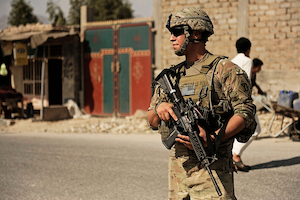
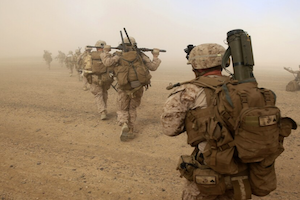
After 18 months of negotiations, the U.S. and the Taliban signed their bilateral landmark “peace agreement” in Doha on February 29, alongside representatives from more than 30 nations. Afghanistan’s northern neighboring post-Soviet states, Tajikistan, Uzbekistan and Turkmenistan, are concerned whether Afghanistan’s post-ceasefire instability will intensify and subsequently spill across the borders after foreign military missions withdraw. If the unrest roiling Afghanistan erupts into open military confrontation following the departure of foreign military forces, the question is whether the three nations alone can mount an acceptable response, particularly Turkmenistan whose international neutrality stance is recognized by the United Nations.
New Strategy, Old Game: The Realigning Geopolitics of Central Asia
By Farkhod Tolipov
March 26, 2020, the CACI Analyst
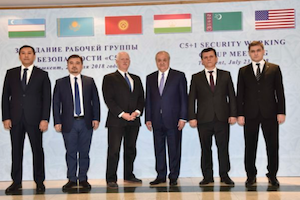
Three recent events have recently drawn the attention of the public, experts and official circles in Central Asia: U.S. Secretary of State Mike Pompeo’s visits to Kazakhstan and Uzbekistan and his meetings with the presidents of these states on 1-4 February 2020; the “C5+1” meeting in Tashkent; and the announcement of a new U.S. Strategy for Central Asia 2019-2025. In Central Asian capitals as well as in Moscow and Beijing, these three events served to alter the existing geopolitical calculus: Washington effectively reminded Central Asians and U.S. rivals Russia and China of itself and its interests. It thus seems that the old Great Game continues.
Geopolitics Doomed Georgia's Anaklia Project, But Can Also Resurrect It
By Emil Avdaliani
March 9, 2020, the CACI Analyst
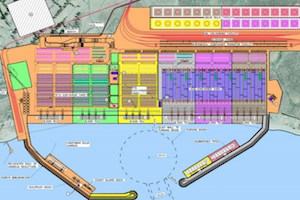
Georgia’s long-awaited Anaklia project officially ended in January 2020. The country’s internal problems as well as geopolitical competition involving the U.S., China, and Russia doomed the deep-sea port. However, this same geopolitical competition could serve to keep U.S. interests in the project afloat, as Chinese and Russian investments in the port would be problematic for Washington. Moreover, after Georgia’s critical parliamentary elections this year, Tbilisi may become better positioned to support a new concept for constructing Anaklia.
What Will the U.S.-Taliban Peace Agreement Bring for Afghanistan?
By Sudha Ramachandran
March 7, 2020, the CACI Analyst
The Agreement for Bringing Peace to Afghanistan, signed by the U.S. and the Taliban on February 29, is a major milestone in the almost two-decade long war between the two adversaries. While it could change the trajectory of the conflict, it is unlikely to bring peace to Afghanistan. Narrow self-interest of the two signatories drove the deal, rather than the objective of peace in Afghanistan. This and the flawed content of the agreement will in all likelihood lead to escalating violence in the coming months.
Afghanistan and the U.S. - Iran Confrontation
By Sudha Ramachandran
January 16, 2020, the CACI Analyst
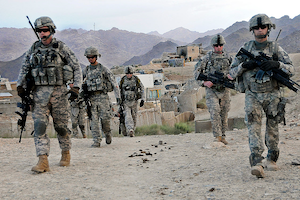
The recent escalation of tension in the Persian Gulf following the assassination of a top Iranian general in a U.S. missile strike in Baghdad has set alarm bells ringing in the region. Iraq has already been dragged into the escalating U.S.-Iran tit-for-tat missile strikes. Given the fact that Afghanistan neighbors Iran and has a large presence of U.S. troops and facilities, the country risks becoming an additional battleground for the U.S.-Iran conflict, with potentially serious consequences for Afghanistan and the region.
Visit also