From Soviet Pipelines to Eurasian Energy Corridors: Russian Gas Exports to Iran Through Azerbaijan
By Vali Kaleji
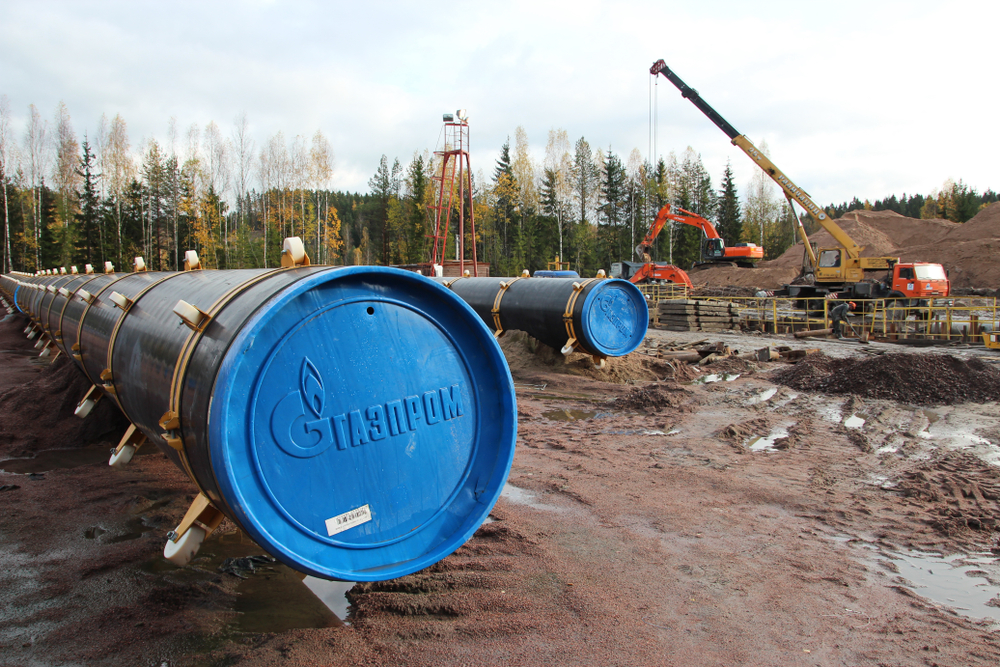
Russia and Iran are moving closer to implementing a long-negotiated natural gas agreement. Officials from both countries have confirmed that Azerbaijan has been selected as the preferred transit route for Russian gas exports to Iran, a route that recalls Iran's natural gas exports to the Soviet Union through the same corridor in the 1970s. The project will constitute part of the broader geopolitical and geoeconomic reconfiguration of Eurasia following the Ukraine war, in which Russia seeks to redefine its energy export routes while Iran seeks not only to reduce its domestic natural gas imbalance but also to strengthen its geoeconomic and transit position within regional energy networks.
BACKGROUND:
Energy cooperation between Iran and Russia dates back to the Soviet era. In January 1966, Iran and the Soviet Union signed a gas agreement under which Iran exported 10 billion cubic meters (bcm) of natural gas annually from its southern gas fields to the Soviet Caucasian republics through a pipeline terminating at Astara, now on the Iran–Azerbaijan border. In return, the Soviet Union agreed to build the Isfahan Steel Plant and the Arak Machine Manufacturing Plant. The pipeline became operational in 1970, but gas exports ceased in 1980 following the Islamic Revolution and the Iran–Iraq War. Although exports briefly resumed in 1989, the collapse of the Soviet Union in 1991 ended this framework of cooperation.
Rather than expanding energy ties with the Russian Federation, Iran subsequently developed cooperation with the newly independent states of Central Asia and the South Caucasus, including gas imports from Turkmenistan, oil swap arrangements with Kazakhstan and Azerbaijan, gas exports to the Nakhichevan Autonomous Republic, and the Iran–Armenia Gas-for-Electricity Swap agreement.
Despite UN sanctions, Iran and Russia reached an “oil-for-goods” agreement in 2014 under which Russia would purchase Iranian oil in exchange for Russian goods and equipment. The arrangement lost momentum after the 2015 Joint Comprehensive Plan of Action (JCPOA) enabled Iran to increase oil exports and regain access to international markets.
The U.S. withdrawal from the JCPOA in 2018 and the reimposition of sanctions, combined with Western sanctions on Russia following its invasion of Ukraine, created new incentives for bilateral energy cooperation. In July 2022, the National Iranian Oil Company (NIOC) and Russia’s Gazprom signed a US$ 40 billion memorandum of understanding covering joint investment in oil and gas projects, including gas pipelines and swap arrangements. In June 2024, Gazprom and the National Iranian Gas Company (NIGC) signed an agreement on Russian gas supplies to Iran, with Tehran aiming to import up to 20 bcm annually. During 2025, negotiations focused on pricing, financing, volumes, and transportation routes. Azerbaijan emerged as the preferred transit corridor, with Russian gas expected to enter Iran through the Astara border crossing, replicating the route used during the Soviet era. Russian Energy Minister Sergei Tsivilev confirmed this route in January 2025. Russia has proposed an initial supply of about 2 bcm annually, potentially expanding to 55 bcm in later phases.
During a meeting with Iranian Oil Minister Mohsen Paknejad on 13 July, Tsivilev also emphasized that the main provisions of the contract had been settled, and that the agreement would be finalized in the near future.
Azerbaijan has taken a cautious position. Unlike Russia and Iran, whose officials have repeatedly commented on the project, Baku has largely refrained from public statements regarding the proposed Russian gas exports to Iran. This silence may reflect the fact that Azerbaijan has become one of the EU's key natural gas suppliers, particularly since the outbreak of the Ukraine war, and does not wish to create the impression that it is serving as a new export route for Russian gas under the current sanctions regime. Azerbaijan may also prefer to avoid taking a public position until the commercial and legal arrangements of the project have been finalized.
From a technical and operational perspective, two key pipelines could potentially facilitate gas supplies from Russia to Azerbaijan and Iran. The 200km Novo-Filya (Russia) – Baku Gas Pipeline was built during the Soviet era, with a capacity of 10 bcm per year. It runs along the Caspian Sea coast and can operate in reverse mode, forming part of the larger Mozdok-Hajigabul gas pipeline system. The 1,474.5km Hajigabul (Azerbaijan) – Astara – Abadan (Iran) Gas Pipeline is another Soviet-era construction, connecting Azerbaijan to Iran. It has a capacity of 10 bcm per year but is currently inactive.
To enable significant Russian gas supplies, substantial investments in modernizing the entire pipeline system would likely be necessary. By mid-2026, imports have not yet begun, as negotiations continue over commercial terms, infrastructure development, Iran’s role in gas swaps and re-exports, and transit arrangements with Azerbaijan.
IMPLICATIONS:
The most immediate implication of the prospective Russian gas exports to Iran is its contribution to mitigating Iran’s gas imbalance in the country’s northern regions during the cold autumn and winter seasons. Although Iran possesses the world’s second-largest natural gas reserves after Russia and, in 2025, its total annual natural gas production exceeded 280 bcm, equivalent to approximately 7 percent of global natural gas production. The rapid growth in domestic consumption, the deterioration of parts of its infrastructure, two decades of extensive economic sanctions, and a lack of foreign investment in the development of gas fields and refinery capacity have created a structural imbalance between gas production and consumption. As a result, in recent years Iran has faced a daily gas shortage of 200–300 million cubic meters (mcm) during peak consumption periods. During the recent U.S. and Israeli war against Iran, parts of the South Pars gas facilities and processing plants were targeted, resulting in the loss of approximately 230 mcm of gas production capacity and further exacerbating the country’s energy imbalance.
The gas imbalance in northern Iran is particularly acute during the cold autumn and winter seasons because most of the country’s oil and gas resources, as well as its refineries, are located in the southern regions. Hydrocarbons must therefore be transported by pipeline to Iran’s densely populated northern provinces, a process that is both costly and associated with energy losses. At the same time, Iran has not developed the oil and gas resources of the Caspian Sea for a variety of reasons. Under these circumstances, gas imports from Russia, as well as Turkmenistan, enable Iran to increase gas supplies to its northern regions during the cold autumn and winter months.
A second implication, strongly emphasized by supporters of the project in Iran, is the use of surplus Russian gas, after meeting demand in the northern regions, to increase Iran’s gas exports to Iraq, Turkey, Armenia, Pakistan, and Oman, thereby strengthening Iran’s position as a regional energy hub. The realization of this objective, however, will largely depend on a final agreement between Iran and the U.S., the lifting of UN sanctions, and the removal of unilateral U.S. sanctions against Iran.
A third implication is the deepening of strategic interdependence between the two countries. Alongside the expansion of close political relations, the conclusion of the 20-year Comprehensive Strategic Partnership Agreement between Iran and Russia, the strengthening of bilateral and multilateral economic and trade cooperation within the Eurasian Economic Union (EAEU), the International North–South Transport Corridor (INSTC), and military-defense cooperation, energy will constitute a new dimension in Tehran–Moscow relations. Nevertheless, competition between Iran and Russia in the regional gas market, particularly in the South Caucasus and especially in Armenia, cannot be overlooked in the context of routing Russian gas exports to Iran through Azerbaijan. In fact, rather than routing the pipeline through Georgia and Armenia, both of which are consumers of natural gas, Russia has opted for Azerbaijan, a producer and exporter of natural gas, in order to ensure that Gazprom’s long-term commercial interests are not threatened.
A fourth implication is the strengthening of Azerbaijan’s role and position between Iran and Russia in both transit—the International North–South Transport Corridor (INSTC)—and energy, through the export of Russian gas to Iran. This development has been shaped by a number of factors, including sanctions on both Iran and Russia, the Free Trade Agreement between Iran and the Eurasian Economic Union (EAEU), the changing geopolitical environment resulting from the war in Ukraine, the recent U.S. and Israeli war against Iran, and Iran’s growing energy imbalance. Although the fluctuating nature of Iran’s and Russia’s relations with Baku could affect the sustainability of Russian gas exports to Iran, the re-export of part of the imported gas from Iran to Pakistan, a close partner of Azerbaijan, could disincentivize Baku from disrupting or suspending Russian gas transit to Iran.
CONCLUSIONS:
Whereas Iran exported natural gas to the Soviet Union in the 1970s, this trend has reversed over the past six decades. If implemented, Russian gas exports to Iran would form part of the broader geopolitical and geoeconomic reconfiguration of Eurasia following the Ukraine war. Russia seeks to redefine its energy export routes, while Iran aims to reduce its domestic gas imbalance and strengthen its geoeconomic and transit role within regional energy networks. However, the project’s success will depend on political cooperation between Tehran and Moscow, Azerbaijan’s role as the main transit route, international sanctions, its economic viability, and developments in global energy markets.
Within Iran, opinions on Russian gas imports remain divided. Supporters argue the project would reduce winter gas shortages in northern Iran, increase gas exports to neighboring countries, and reinforce Iran’s position as a regional energy hub. Critics, however, view Russia as Iran’s principal competitor in regional and global gas markets, noting that discounted Russian oil and gas have already displaced Iranian exports, particularly in China and India. Russia has similarly expanded its share of Iran’s steel export markets through lower prices. Consequently, if Iran–U.S. negotiations lead to sanctions relief and expanded Iranian energy exports, Russia may already have secured a significant portion of Iran’s potential export markets.
AUTHOR’S BIO:
Vali Kaleji, based in Tehran, Iran, holds a Ph.D. in Regional Studies, Central Asian and Caucasian Studies. He has published numerous analytical articles on Eurasian issues for the Eurasia Daily Monitor, the Central Asia-Caucasus Analyst, The Middle East Institute and the Valdai Club. He can be reached at This email address is being protected from spambots. You need JavaScript enabled to view it. .
Iran’s Turn to the East: Afghanistan and the Contest Over Eurasia’s Corridors
By Eldaniz Gusseinov and Daniel Longerich
On June 14, 2026, the U.S. and Iran announced a framework deal meant to end the war that began on February 28 and to lift the U.S. naval blockade of Iranian ports. The ceasefire reopens the Strait of Hormuz, yet the acute phase has already redrawn the logistical map around Iran. The war exposed Tehran’s dependence on a single maritime chokepoint and pushed it to seek overland routes to the east. This reorientation bears directly on Central Asia and the South Caucasus, through which both Iran's plans and those of its rivals now pass.
BACKGROUND:
The war has accelerated a reshaping of overland corridors around Iran. Tehran is strengthening its rear in Afghanistan, where it has already become the top trading partner and is extending a railway northward from Herat. Iran's rivals are moving in the opposite direction. The U.S. is establishing itself in the South Caucasus through the TRIPP project, while Turkey and the Arab monarchies are building routes that skirt Hormuz. For Central Asia and the South Caucasus, this raises the region’s transit weight and at the same time turns it into an arena of rivalry. The Afghan route gives Iran only partial insurance, since a through connection to China is not yet built and depends on Beijing's willingness to open the border.
For decades, Afghanistan was seen as Pakistan’s strategic depth against India. After the Taliban came to power in 2021, that logic broke down. Pakistan accuses Kabul of sheltering the Tehrik-e Taliban Pakistan (TTP), and cross-border attacks have grown more frequent. Clashes in October 2025 and again in February and March 2026 closed the Torkham and Chaman crossings as reliable commercial routes. For Afghans, the cost has been high. The chamber of commerce estimated losses at about 2.5 million dollars for each day the border stayed shut, and in 2025 some 2.9 million people returned to the country from Iran and Pakistan, adding pressure on markets and food supplies.
Against this backdrop, Kabul turned toward Iran. Tehran overtook Pakistan as Afghanistan’s largest trading partner, with a turnover of around 3.5 billion dollars, almost entirely Iranian exports of fuel and food. Afghan cargo shifted to Iran’s port of Chabahar as a substitute for Pakistan’s Karachi, and the Taliban cabinet invested about US$ 35 million in the port.
After the closure of Hormuz and the U.S. blockade, the ports of Chabahar and Bandar Abbas were cut off, and World Food Programme supplies ran out by mid-April. Squeezed from both sides, Afghanistan shifted toward Central Asia, increasing trade with its northern neighbors from Turkmenistan to Tajikistan. The fate of Afghan trade thus became tied directly to the transit role of the region’s neighbors.
IMPLICATIONS:
Iran’s answer to its maritime vulnerability lies in overland infrastructure. The Khaf-Herat railway, opened in 2020, connected the Iranian network to Herat. The Afghan leg of this line is itself run by a Mashhad-registered consortium controlled by Iranian entities, including the state-owned Islamic Republic of Iran Railways. In October 2025 the parties agreed to build the Herat-Mazar-i-Sharif line, with a technical and economic feasibility study due by March 2026.
The project itself has not moved beyond surveying and financing, and construction has not yet begun. In June 2026 Afghanistan’s central bank announced that commercial banks would finance the line, which would run about 657 kilometers and cost some 55 billion afghani, or roughly US$ 780 million, while survey and design work proceeds with Uzbek involvement. In May 2026 Kabul reopened, after a US$ 6.3 million reconstruction, the fifth section of the Hairatan-Mazar-i-Sharif line, the existing outlet to the Uzbek network, and on June 15 Afghan and Iranian officials discussed speeding up work on the Herat-Mazar-i-Sharif line. Completion is tentatively set for around 2028. The line is meant to extend Iran’s outlet into northern Afghanistan and onward toward Central Asia and China, bypassing the maritime chokepoints.
The route’s ultimate aim, an outlet to China, depends above all on Beijing’s stance. The Afghan side has advanced toward completing a road through the Wakhan Corridor to the Chinese border. China, however, remains cautious about opening the single crossing at the junction with Xinjiang. According to analysts, Beijing’s reluctance stems from concerns over the infiltration of East Turkestan Islamic Movement (ETIM) Uyghur militants from Afghan territory, and it has pressed for closer counterterrorism cooperation. In March 2026 China established Cenling County along the border with the Wakhan, signaling interest, though there is still no customs post there. For the Taliban, the prospect of Iran-China transit through Afghanistan serves as leverage in talks with Beijing, yet the corridor will stay closed until China itself opens the border.
At the same time, Iran’s neighbors are building corridors that go around its territory, and the center of gravity is shifting to the South Caucasus and the Gulf. To the north, the U.S. is promoting the TRIPP project through Armenia’s Syunik, linking Azerbaijan with Nakhichevan and onward to Turkey and Europe, and under a January 2026 agreement the U.S. side holds 74 percent of the management company for an initial 49 years. Tehran is firmly opposed and sees in it the severing of its link to the Black Sea and Europe and a U.S. presence on its border. In Syunik, the Meghri station has stood silent for more than thirty years, and local residents live in uncertainty after a series of conflicts. To the south, Baghdad is accelerating Iraq’s Development Road from the port of Faw toward Turkey, while the India-Middle East-Europe corridor is being laid across Arabia around Iran. The Gulf is meanwhile expanding pipelines toward the Red Sea and the Gulf of Oman to move oil past the strait.
For Central Asia and the South Caucasus, the combined effect cuts both ways. The region’s transit weight is rising, since both Iran and its rivals need overland routes through it. At the same time, the region risks becoming a field of rivalry between U.S.-backed routes and alignments involving Iran and Russia. Central Asian capitals are responding with diversification, developing the Middle Corridor and the China-Kyrgyzstan-Uzbekistan project. The weak link remains Afghanistan’s stability, without which any Iranian outlet to the east is vulnerable.
CONCLUSIONS:
Iran’s turn to the east began before the war, and the events of 2026 sharply accelerated it. Afghanistan is becoming Tehran’s overland insurance against maritime pressure, and the railway to Herat, together with the plan for Mazar-i-Sharif, anchors that link. A through bypass of the maritime chokepoints, however, has yet to be built. Its fate depends on Afghanistan’s stability and on China’s decision about its own border, and the durability of the June ceasefire adds further uncertainty. For Central Asia and the South Caucasus, the main outcome is that the region’s connectivity has become an object of strategic bargaining. U.S.-backed routes to the north and in the Gulf pull the region one way, while Iran’s outlet to the east pulls it another. The region’s states gain from rising transit weight, but their resilience will depend on their ability to keep several directions open at once and avoid attaching themselves to a single center of power.
AUTHOR’S BIO:
Eldaniz Gusseinov is Co-Founder and Head of Research at Nightingale Int., a geopolitical risk and foresight advisory focused on Central Asia and Greater Eurasia. Contact: This email address is being protected from spambots. You need JavaScript enabled to view it.
Daniel Longerich is a Partner at Nightingale Int., where he supports the organization in expanding the use of applied data and AI analysis methods. Contact: This email address is being protected from spambots. You need JavaScript enabled to view it.
Eurasian Economic Union Summit: The Limits Of Geopolitical Integration
By Farkhod Tolipov
On May 29, 2026, the Supreme Eurasian Economic Council convened in Astana, Kazakhstan, bringing together representatives of the five Eurasian Economic Union (EAEU) member states and one observer state. Armenia was represented by its Deputy Prime Minister rather than the Prime Minister, while observer Uzbekistan was represented at the highest level by its President. Although the summit followed a largely routine agenda, discussions were overshadowed by speculation regarding Armenia’s potential withdrawal from the Union. In contrast, Uzbekistan maintained its traditionally supportive stance toward Eurasian integration. These developments suggest that the EAEU may have reached the limits of its current institutional composition and geopolitical configuration.

BACKGROUND:
The EAEU, established in 2015, succeeded the Eurasian Economic Community (EAEC), which existed from 2001 to 2014. Both organizations were founded with the objective of creating an economic foundation for deeper integration among the former Soviet republics. They emerged within the broader framework of the Commonwealth of Independent States (CIS), established in 1991 following the dissolution of the Soviet Union. While the USSR consisted of 15 union republics, the CIS began with 12 member states and has since contracted to eight. The EAEC comprised six member states, whereas the EAEU currently includes five.
When the CIS was established, many experts and politicians described it as a framework for the “peaceful divorce” of the former Soviet republics. In retrospect, this assessment appears largely correct. Rather than promoting deeper integration, the CIS, the EAEC, and the EAEU have experienced gradual contraction and persistent disagreements. In the context of Russia’s war against Ukraine, Moscow has sought to preserve the remaining cohesion of this declining integration project. As part of these efforts, it introduced so-called informal meetings of EAEU heads of state. This is the backdrop for the May 2026 EAEU summit in Astana.
The EAEU summit in Astana coincided with Vladimir Putin’s second state visit to Kazakhstan. Observers focused less on the outcomes of the visit than on President Kassym-Jomart Tokayev’s remarks during the official welcoming ceremony. Tokayev described Russians and Kazakhs as brotherly nations sharing a common history, cultural traditions, and mentality. Such a warm reception for a leader conducting a war against Ukraine and widely criticized by the international community may negatively affect Kazakhstan’s international reputation.
While Armenia was represented by its Vice Prime Minister, the summit was attended by the presidents of the four other EAEU member states as well as Uzbekistan. The agenda was largely routine, focusing on logistics, digitalization, free trade, and artificial intelligence. Beyond these issues, the leaders of the four member states adopted a special statement concerning Armenia, expressing concern over its possible withdrawal from the EAEU and its aspirations for EU membership. The statement was delivered to the Armenian Vice Prime Minister, who reaffirmed his country’s intention to remain in the EAEU while safeguarding its national interests and respecting those of the other member states.
President Putin emphasized the incompatibility of simultaneous membership in the EAEU and the EU and warned Armenia of the economic consequences of leaving the EAEU. His remarks, resembling an ultimatum, amounted to a clear signal that Russia would reconsider existing trade and economic arrangements with Armenia should it withdraw from the Union. This position once again highlighted the predominantly Russia-centered nature of the EAEU, rather than a genuinely multilateral integration framework among equal members. In contrast, Uzbek President Shavkat Mirziyoyev reaffirmed that closer cooperation with the EAEU remains a key foreign policy priority for Uzbekistan.
IMPLICATIONS:
The EAEU summit in Astana took place in a complex geopolitical setting. Earlier, on May 15, Kazakhstan hosted an informal summit of the Organization of Turkic States (OTS) in Turkistan. Among other issues, OTS leaders discussed cooperation in artificial intelligence and digitalization, the same topics featured on the EAEU agenda. This overlap raises questions about the compatibility of integration initiatives pursued by the two organizations. It remains unclear how AI and digitalization strategies developed within the potentially competing frameworks of the OTS and the EAEU can coexist.
The summit was preceded by Donald Trump’s visit to China and Putin’s subsequent visit, both demonstrating renewed geopolitical activism. For Central Asian states, these events underscored the significance of the US–Russia–China geopolitical triangle, whose rivalry they observe with growing concern. Against this backdrop, the EAEU summit of “five minus one” member states appeared overshadowed by broader great-power competition.
The EAEU summit in Astana was also preceded by a series of high-profile diplomatic initiatives by Uzbekistan. In April, Saida Mirziyoyeva, Head of the Presidential Administration, visited Washington, D.C., for the launch of the American–Uzbek Business and Investment Council. On May18, she traveled to London, where she met British officials, international investors, and representatives of the London Stock Exchange following the IPO of the Uzbekistan National Investment Fund (UzNIF). On May 24, she visited New Delhi and held talks with U.S. Secretary of State Marco Rubio on trade and investment cooperation. These developments reflected Uzbekistan’s active engagement with Western partners in the weeks preceding the EAEU summit.
On April 15, President Mirziyoyev received a Russian delegation led by Sergey Kiriyenko, First Deputy Chief of Staff of the Presidential Administration and former head of Rosatom. According to official reports, the talks focused on implementing previously reached agreements and deepening the Uzbek–Russian strategic partnership and alliance. Against the backdrop of Uzbekistan’s intensive diplomatic engagement with Western partners, the EAEU summit in Astana appeared relatively modest and somewhat ad hoc. This reflected Russia’s preference for advancing its interests through bilateral relations rather than through the Union’s multilateral framework.
Rather than presenting itself as a dynamic and cohesive economic bloc, the EAEU revealed its geopolitical dimension. During the summit, Putin suggested that developments in Armenia could follow a trajectory similar to that of Ukraine. While such a scenario appears unlikely, this rhetoric may prove counterproductive. Russian pressure on Armenia is likely to deepen anti-Russian sentiment among Armenians and further strengthen the country’s orientation toward Europe.
For Central Asia, regional integration is challenged by Russia’s continuing geopolitical ambitions. While the EAEU has experienced contraction, regional cooperation in Central Asia is expanding, exemplified by Azerbaijan’s accession to the Community of Central Asia last year. Thus, while Armenia and Georgia seek closer integration with the EU, Azerbaijan strengthens its role within the Central Asian regional framework. In this evolving geopolitical environment, the OTS gains a new opportunity to emerge as a viable alternative to the EAEU.
CONCLUSIONS:
Zbigniew Brzezinski once predicted that the EAEU would struggle to survive beyond 10–20 years, arguing that its ideological foundation, Eurasianism, was both outdated and geopolitically unsustainable. This ideology has found limited resonance in Central Asia and other former Soviet republics. From this perspective, the EAEU masks a tacit divergence between its member states and an increasingly assertive Russia.
The EAEU seems to have reached its peak in composition and geopolitical design. It becomes quite obvious that its makeup can be only five members or even less, and that the EAEU is losing its attractiveness. It looks like another “C5” (to use the Central Asian “C5+1” formula), however, it would become a “C5-1” if Armenia should withdraw, possibly returning to “C5” if Uzbekistan would join. This again underscores the geopolitical nature of the EAEU and the limited attractiveness of Eurasianism. Central Asia should take note of Russia’s ultimatum to Armenia and its increasingly belligerent posture toward former Soviet republics.
In November 2025, the 7th Consultative Meeting of Central Asian Heads of State was held in Tashkent, where participants agreed to transform the Consultative Meetings into the Community of Central Asia (CCA). Azerbaijan became a full member of the new organization. The 8th summit, expected to take place in Turkmenistan this year, will be the first meeting of the newly established Community. However, the membership of Kazakhstan and Kyrgyzstan in the EAEU, and Uzbekistan’s observer status, risk reducing the CCA to a largely symbolic project. As a result, the concept of the CCA remains vague, its institutional model underdeveloped, and its future trajectory uncertain.
AUTHOR’S BIO:
Dr. Farkhod Tolipov holds a PhD in Political Science and is Director of the Research Institution “Knowledge Caravan”, Tashkent, Uzbekistan
How Pakistan Is Reshaping Eurasian Trade Corridors
By Umair Jamal
Pakistan has approved and operationalized new land routes to connect Central Asian markets to Pakistani ports and beyond, utilizing strategic corridors through Iran and China to bypass Afghanistan entirely. This shift was solidified in April 2026 when Pakistan Customs launched the first export consignment from the Karachi Export Processing Zone to Kyrgyzstan via the Sost Dry Port in China under the TIR (Transports Internationaux Routiers) regime. Pakistan’s decision to diversify transit away from Afghanistan follows the indefinite closure of the Torkham and Chaman border crossings in October 2025 due to unmanageable security risks and cross-border militancy. By activating the Pakistan-Iran Transit Corridor and the Sost-Kyrgyzstan-China Corridor, Islamabad is dismantling Afghanistan’s traditional transit monopoly. Amidst the ongoing Strait of Hormuz crisis, these land routes, coupled with the rising prominence of Gwadar Port, position Pakistan as a critical, multi-modal bridge between the landlocked Eurasian heartland and global warm-water ports. These new land routes circumvent both maritime chokepoints and regional instability and provide Central Asian nations with secure and diversified avenues for trade and logistics.
BACKGROUND:
For decades, Pakistan’s overland access to the Central Asian countries was almost exclusively dependent on the Chaman and Torkham gateways through Afghanistan. From Pakistan’s perspective, this geographical bottleneck granted Kabul significant leverage, which was frequently used as a political tool during bilateral friction. However, since the Taliban’s return to power in 2021, this lifeline for both Central Asian states and Pakistan has transformed into a strategic liability.
Central Asian leadership has grown increasingly frustrated with the instability of the Afghan route. For instance, recurrent border closures, unpredictable transit fees, and the persistent threat posed by militant groups have undermined the region’s trade ambitions. This collective annoyance reached a decisive moment in October 2025, when in response to persistent cross-border militant attacks from Afghanistan, Pakistan decided to completely shut down the Afghan-Pakistani trade routes connecting Central Asia.
Seeking to bypass traditional transit hurdles, Pakistan recently proposed new trade corridors for Central Asian countries. In April 2026, senior representatives from Uzbekistan, Kyrgyzstan, and Tajikistan gathered in Karachi for a coordination ceremony, where Pakistan offered a permanent alternative to the Afghan route for global connectivity.
The ceremony marked the official activation of the Iran-based land route, with the first convoy of refrigerated trucks carrying frozen meat and assorted exports destined for Tashkent and Bishkek. The development signaled a regional consensus whereby Central Asia is no longer willing to wait for Afghan stability and seem poised to work with Pakistan to operate these new routes. Early data reflects this momentum, with over 14,000 metric tons of cargo successfully processed across both corridors.
Simultaneously, Pakistan’s private sector has already demonstrated that it can work via the northern bypass that sits on China’s Sost border, with the Hemani Group successfully delivering a 23.9-tonne consignment to Kyrgyzstan, cleared electronically via the Pakistan Single Window (PSW) system. This 3,300-kilometer Bishkek-Karachi route under the Quadrilateral Traffic in Transit Agreement (QTTA) has now seen its first reciprocal commercial runs, with Kyrgyz transport fleets bringing minerals and textiles south. Crucially, the cargo proved the viability of two-way transit over high-altitude passes, shifting the framework from a unilateral export pipeline into a functional bilateral trade loop.
These strategic developments are taking place at a crucial time in the region’s geopolitics and are set to have far reaching implications.
IMPLICATIONS:
These new corridors have immense strategic significance for Central Asia, as they offer a permanent exit from the long-standing Afghan dilemma. For instance, by utilizing the Gabd-Rimdan from Iran and Sost that relies on China, landlocked nations such as Uzbekistan and Kyrgyzstan have secured a reliable Southern route to the Arabian Sea. Uzbekistan has been particularly active along the western axis, using the Gabd-Rimdan border terminal, which was recently upgraded by the National Logistics Corporation (NLC) with modern scanning facilities, to consistently move agricultural equipment and industrial raw materials.
The diversification provides these countries with a professionalized trade environment characterized by reduced transit costs, effectively bypassing the unpredictable informal taxes and security delays inherent in the Afghan route.
Furthermore, the distance from the Iranian border to Gwadar port offers a significantly shorter alternative to the traditional northern routes through Russia or the volatile western corridors, while maintaining stability through direct institutional oversight via the TIR regime and electronic tracking under the Pakistan Single Window (PSW) system. This structural predictability has provided Central Asian exporters with a reliable maritime gateway that avoids the costly and multi-border transit loops through eastern Europe.
In the wake of these developments, Pakistan’s Gwadar Port is set to transition from a conceptual hub into the functional heart of Central Asian trade. Within the framework of the China Pakistan Economic Corridor’s Phase 2, the integration of trade from Central Asian countries via Iran and China validates the massive infrastructure investments previously made in Baluchistan.
This development is particularly critical given the ongoing Strait of Hormuz crisis. Gwadar is situated 400 km east of the strait and serves as a virtual bypass of the conflict zone, allowing Central Asian exports to reach international waters without entering the high-risk zones of the Persian Gulf.
For Pakistan, this creates a substantial economic windfall as well. By positioning itself as the primary transit state for a massive market, the country is positioning itself to secure consistent revenue through port handling, logistics, and transit fees. In the wake of the Strait of Hormuz crisis, tariff at the Gwadar port has multiplied.
Ultimately, these shifts represent a permanent structural setback and the long-term erosion of Afghan leverage. For decades, Kabul relied on its geographic status as a bridge between South and Central Asia to extract economic concessions and maintain political relevance. However, by demonstrating that trade can flow efficiently through Iran and China, Pakistan and the Central Asian countries have rendered the Afghan routes entirely optional.
If the Taliban regime remains unable or unwilling to secure its borders and dismantle militant sanctuaries, it faces the grim prospect of total economic isolation as regional trade patterns permanently realign around a more stable and predictable maritime-linked architecture.
Moreover, the strategic expansion of these corridors comes at a pivotal moment in the shifting Eurasian geopolitical landscape.
As the Iran-U.S. war reshapes regional alignments and trade security, these new routes grant Pakistan and Central Asia much-needed strategic maneuverability. They serve as a vital hedge, insulating regional economies from the instability of maritime corridors and the growing risk of chokepoint weaponization.
Furthermore, this realignment signals the emergence of a Middle-Power bloc where regional players like Pakistan, Iran, and the Central Asian Republics are prioritizing economic connectivity over historical ideological or security frictions.
For Pakistan, this transition from a security state to a geo-economic hub is not just about transit fees; it also constitutes an attempt to embed its stability with the economic wellbeing of its neighbors.
By providing a new route for Eurasian goods, Pakistan is trying to ensure that regional powers now have a vested interest in the security of Pakistan and the success of Gwadar port where Central Asian states will now have significant stakes.
CONCLUSIONS:
The approval of these alternative corridors demonstrates an important elevation of Islamabad’s regional standing. By linking Gwadar to Iranian and Chinese land routes to better serve Central Asia, Pakistan is effectively seeking to decouple its economic future from the instability of traditional Afghan transit. This development offers a stable gateway for regional states and signals a shift away from reliance on uncooperative neighbors. As the idea of Eurasian trade flowing through this multi-dimensional network gains relevance, Pakistan is going to position its southern coast as the indispensable hub of a new and more resilient economic order.
AUTHOR’S BIO:
Umair Jamal is a Ph.D. candidate at the University of Otago, New Zealand, and an analyst at Diplomat Risk Intelligence (DRI). His research focuses on counterterrorism and security issues in Pakistan, Afghanistan, and the broader Asia region. He offers analytical consulting to various think tanks and institutional clients in Pakistan and around the world. He has published for several media outlets, including Al-Jazeera, Foreign Policy, SCMP, The Diplomat, and the Huffington Post.
A Partner, not a Power: The EU’s Evolving Engagement with Central Asia
By Mehmet Fatih Oztarsu
The first EU–Central Asia Summit took place amid intensifying global competition, emphasizing the EU’s efforts to strengthen ties through connectivity, economic diversification and access to critical raw materials. Key regional concerns—including migration, sanctions circumvention, and infrastructure gaps—were also addressed. There is growing anticipation that the EU will adopt a more holistic and regionally attuned strategy, moving beyond great power rivalry to foster inclusive, long-term partnerships. Such an approach would bolster the EU’s credibility as a constructive and complementary actor in Central Asia’s evolving geopolitical landscape. Instead of competing against Russia and China, the EU can play more effective role as a reliable partner.
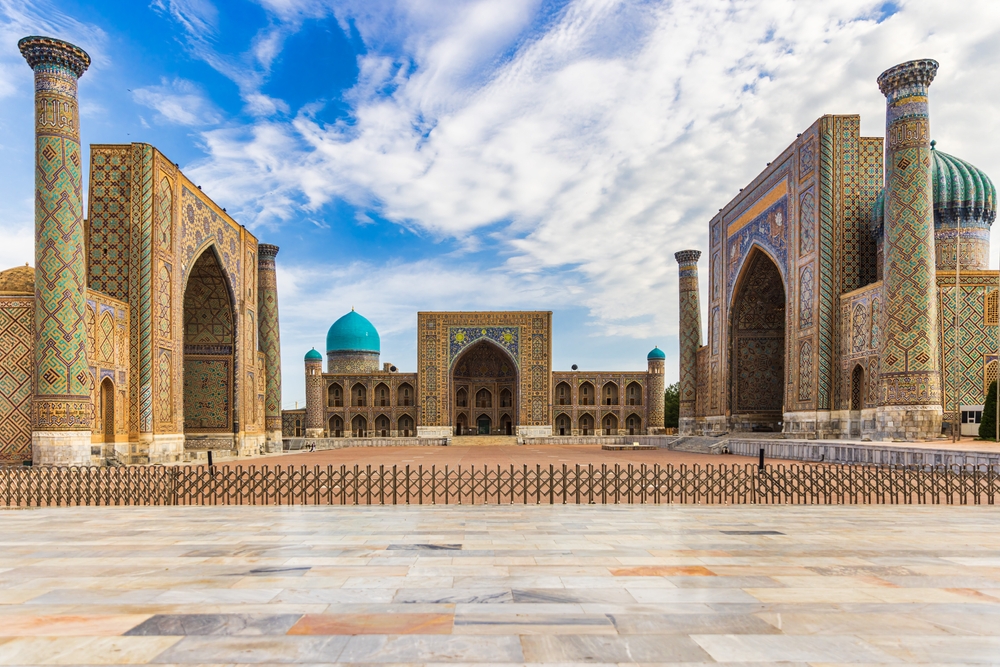
Photo source: Framalicious
BACKGROUND: The first EU–Central Asia Summit was held in Uzbekistan on April 4, 2025, in Uzbekistan. The EU was represented by President of the European Council António Costa and Head of the European Commission Ursula von der Leyen. During the summit, multilateral relations were addressed in a comprehensive and multidimensional manner. The parties discussed various areas of cooperation, including security challenges, economic collaboration, connectivity under the Global Gateway framework and people-to-people ties.
The EU holds a distinct position in the region, being Central Asia’s second-largest trading partner and its largest investor, accounting for 22.6 percent of the region’s foreign trade and 40 percent of foreign investments. In particular, Kyrgyzstan, Uzbekistan and Tajikistan have expressed their intention to further develop trade relations with Europe under the Generalised Scheme of Preferences (GSP), which facilitates more favorable access to the EU market.
This summit is also significant given its timing—coinciding with a period in which the U.S., alongside Russia and China, has emerged as a competitor to the EU in the region. In this new geopolitical landscape, strengthening relations with alternative markets has become a strategic objective for all major actors. However, the EU is expected to adopt a clearer stance on key issues in its evolving engagement with Central Asia. There are growing expectations that the EU will address the unintended negative impacts of its sanctions on Russia, which have also affected the region. Additionally, greater emphasis is expected on areas that align more closely with the region’s pressing needs—such as agricultural development and connectivity infrastructure—rather than focusing narrowly on selected industries or geopolitical competition.
IMPLICATIONS: The EU’s timely convening of the Central Asia Summit coincided with a period in which global developments are compelling all countries to make new strategic choices. Actors affected by the protectionist U.S. economic policies, Russia’s war in Ukraine, and China’s rapid and seemingly unstoppable economic expansion are increasingly seeking new avenues for cooperation. While the EU already maintains a satisfactory level of economic engagement with the region, this new initiative signals an ambition to address more niche and forward-looking areas. These include specific areas such as geographical and digital connectivity, the green economy, critical raw materials and water management.
Within the Global Gateway initiative, the EU has sought to engage with the region primarily through infrastructure projects, allocating a budget of €300 million for this purpose. Although the EU’s initial intention was, to some extent, to compete with China, it has opted for a more nuanced and tempered approach in recent years. As Dr. Stefan Meister from the German Council on Foreign Relations explains, “EU is not about seriously challenging China and Russia, but rather about offering some alternatives in some sectors, competing in some sectors—especially on raw materials and on connectivity.” This perspective reflects the EU’s new approach of pragmatic engagement rather than direct confrontation, seeking to expand its influence through sector-specific cooperation and strategic investments.
Given China’s geographical proximity and economic leverage, it has become clear that directly confronting Beijing’s dominant position in Central Asia would yield little benefit for any actor involved. Instead, the EU has pursued a strategy of complementarity rather than rivalry. Central Asian countries, positioned to benefit from this geopolitical pragmatism, stand to gain significantly—particularly through the further development of the Trans-Caspian Transport Corridor, which promises to enhance regional connectivity, linking the EU and Central Asia within 15 days and expanding their access to diversified markets.
In addition, the issue of critical minerals is also of great importance in the new period. The EU’s Critical Raw Materials Act, proposed in March 2023, aims to ensure a secure, sustainable and diversified supply of critical raw materials essential for strategic sectors. As demand for materials like rare earths and especially lithium is projected to increase up to twelvefold by 2030, the EU seeks to reduce its overreliance on single third-country suppliers. The Act sets specific targets: at least 10 percent of the EU’s annual consumption should be extracted within Europe, 40 percent processed, and 25 percent recycled, with no more than 65 percent of any strategic raw material imported from a single external source. These measures are central to the EU’s efforts to diverse partnerships with Central Asia.
Kazakhstan’s substantial uranium reserves and its role as a producer of 19 critical raw materials essential to the EU make it a strategically important partner. Additionally, Kyrgyzstan, Tajikistan, and Uzbekistan possess reserves of 43, 17, and 71 critical minerals respectively, further enhancing the region’s value from the EU’s perspective. However, despite this resource richness, the region’s transport connectivity remains heavily influenced by Russia and China—posing a significant challenge for the EU as it seeks to establish independent and secure supply routes.
Migration constitutes a growing challenge in EU–Central Asia relations in addition to the risk of sanctions circumvention and agriculture development limitations. The EU has expressed increasing concern over migration flows originating from or transiting through the region—particularly given instability in Afghanistan and broader socioeconomic pressures within Central Asia. Despite this pragmatic exchange, questions remain about the long-term sustainability and oversight of such processes.
On the other hand, an increasing number of Russian companies are reportedly using Central Asia to circumvent Western sanctions, raising concern within the EU. Russian-affiliated businessmen have begun relocating portions of their assets to countries in the region to shield them from asset freezes, a development the EU views unfavorably. In 2024, several companies were added to the U.S. sanctions list. Additionally, remittances from Russia remain a vital source of income for countries like Tajikistan and Kyrgyzstan. However, since the imposition of sanctions, this financial flow has become unstable, posing significant challenges to the economic stability of these remittance-dependent economies. The EU needs to address this issue in the future since there is no specifically designed policy to resolve it.
Lastly, the EU has been slow to support the broader economic development of Central Asia. According to World Bank data, the agriculture sector remains a weak component of total GDP in the region: 4 percent in Kazakhstan, 9 percent in Kyrgyzstan, 11 percent in Turkmenistan, 20 percent in Uzbekistan and 22 percent in Tajikistan. The service sector dominates these economies, accounting for 56 percent in Kazakhstan, 52 percent in Kyrgyzstan, 45 percent in Turkmenistan, 43 percent in Uzbekistan, and 35 percent in Tajikistan. Under these conditions, the EU needs to play an effective role in strengthening the region’s capacity for industrial production and economic diversification. A narrowly focused strategy centered solely on gas, oil, and critical raw materials risks undermining the long-term goals of sustainable and inclusive cooperation.
CONCLUSION: Although EU policy frameworks are often presented with ambitious and appealing labels, critical areas remain that require greater attention in Central Asia. Rather than pursuing selective economic cooperation, the EU should prioritize agricultural development, the diversification of industrial sectors and the provision of sufficient infrastructure support. Moreover, a clear and coherent stance on the indirect impact of sanctions against Russia in the region is urgently needed. These ongoing uncertainties and regional expectations will play a defining role in shaping the future trajectory of EU–Central Asia relations.
On the other hand, framing cooperation with Central Asia solely as a tool for competing with Russia and China is unlikely to yield meaningful benefits for either the EU or the region. A more constructive approach would involve the EU positioning itself as a complementary partner, offering alternatives rather than rivalry. This strategy not only fosters regional stability but also helps mitigate the negative effects of U.S. protectionist tendencies, thereby strengthening the EU’s credibility as a balanced and reliable actor in Central Asia.
AUTHOR BIO: Dr Mehmet Fatih Oztarsu is Assistant Professor at Joongbu University and Senior Researcher at the Institute of EU Studies at Hankuk University of Foreign Studies. He studied and worked in Baku, Yerevan, Tbilisi, and Seoul as an academic and journalist. He is the author of numerous articles and books on South Caucasus and Central Asian affairs.
Visit also