Regional Connectivity and Central Asia’s Need for a Unified Strategy
By Nargiza Umarova
In early June, Istanbul hosted a number of significant events reflecting Central Asia’s growing role in the east-west land transit system. Representatives of the railway administrations of Uzbekistan, Turkmenistan, Türkiye, Georgia, Azerbaijan and Kyrgyzstan signed an agreement to further develop the CASCA+ corridor (Central Asia–South Caucasus–Anatolia+). The aim is to increase the flow of goods, including transit traffic to the EU. This development aligns with the Middle Corridor extension strategy, the prospects of which was discussed at the 8th meeting of the United Nations Economic Commission for Europe – Economic Cooperation Organization (UNECE-ECO) Coordination Committee. Participants at the Istanbul meeting also reviewed the formation dynamics of the Southern Railway Corridor through Central Asia, Iran and Türkiye. Although the five Central Asian republics are actively involved in international transport initiatives, they have not yet succeeded in consolidating projects of regional interest and mutual benefit, creating the potential for unhealthy competition.

BACKGROUND:
The war in Ukraine, which has become the main geopolitical upheaval in Eurasia, and subsequent regional crises have impacted the security of global maritime shipping, are making land logistics increasingly important in intercontinental transport. This presents an opportunity for Central Asian states to establish a new trade route architecture, turning their geographical position into a strategic asset. However, to achieve this, it is first necessary to address issues of intra-regional connectivity, as this could strengthen Central Asia’s position in its relations with major powers.
Following the launch of a mechanism for regular consultative meetings in 2018, Central Asian countries prioritized the convergence of their national transport systems. This would strengthen the region’s connectivity, facilitate its integration into global supply chains, and accelerate economic growth.
This approach is based on data from authoritative international organizations, including the World Bank, which publishes the Logistics Performance Index (LPI) every two years, reflecting the current state of transport and communications at national and regional levels.
The geographical remoteness of Central Asia from the open seas puts the region at a disadvantage in terms of achieving logistical efficiency. Landlocked countries must transit through coastal nations and cross multiple borders, which significantly increases the time required to transport goods. An additional day of transit leads to a seven percent reduction in exports. This illustrates the substantial effect that delivery times have on the volume and value of foreign trade. Due to high transport costs combined with the lack of direct access to the sea, the Central Asian region loses up to 2 percent of its GDP annually.
In the context of Central Asian connectivity, geography undoubtedly constrains foreign trade growth. However, this factor is generally manageable. Global experience shows that direct access to maritime trade does not guarantee a country a competitive advantage in logistics connectivity. Even within the same region, coastal economies have access to different numbers of markets with which they can trade without relying on intermediary countries. Morocco, for example, has the highest connectivity of all the North African countries, whereas Malaysia and Sri Lanka have achieved similar positions in Southeast and South Asia. All three of these developing economies are recognized regional transport and logistics hubs in their respective regions, and this has helped them raise their logistics efficiency to the required level. Since 2017, the Central Asian republics have been striving for a similar outcome, working to consolidate extended transport links between countries, with a particular focus on increasing the region’s transit potential. Proximity to open seas is in this case less important than an intraregional strategy enabling Central Asian countries to manage their geographic location and improve transport logistics.
IMPLICATIONS:
From the outset, the five Central Asian states agreed to integrate into the global transport network as a single entity, rather than individually. This would pave the way for the region’s strategic autonomy, which, through implementing a coordinated policy to develop and promote promising transit corridors crossing Central Asia, could align relations with major powers, prioritizing pan-regional interests and thereby enhancing the region’s geopolitical significance. The primary task of this approach is to strengthen intra-regional connectivity, which requires collective action to remove administrative, legal and technical barriers. To this end, the establishment of a Regional Center for Transport and Communications Connectivity under the auspices of the UN has been proposed.
Although this initiative has yet to be implemented, certain positive developments in Central Asia’s transport connectivity have already been achieved. These include the restoration and modernization of key transport routes between countries in the region, the opening of new trade routes and an increase in transit freight traffic. However, urgent solutions are needed to address issues such as unifying tariff policies, harmonizing transport legislation, introducing standardized permit forms and electronic document management practices, reducing customs duties, increasing the throughput capacity of border crossings and simplifying customs procedures. Attracting investment in transport infrastructure and digitalizing the transportation process is also crucial. While there is a general understanding of the urgency of these issues, there is no consolidated effort to address them.
There is a growing trend towards developing new interregional transit corridors rather than local transport routes. A focus on self-interest and a lack of proper coordination in the implementation of such projects risks fueling rivalry between regional states. This could potentially deprive them of the opportunity to influence the geopolitics of transport corridors in Central Asia.
Globally rising geopolitical tensions are creating growing uncertainty in the maritime shipping industry, which is making Central Asian trade routes increasingly important. This, in turn, is stimulating investment interest in the regional transport services market. The main investors are China and the EU, who are implementing their own global initiatives: the Belt and Road Initiative (BRI) and the Global Gateway. Japan, South Korea and the Gulf states are also contributing to the development of Central Asia’s transport sector to varying degrees.
CONCLUSIONS:
With limited mutual coordination, the involvement of Central Asian states in infrastructure projects funded by external actors creates an incentive for unhealthy competition. Paradoxically, despite having overlapping interests in transport logistics and the potential to establish mutually beneficial cooperation based on shared priorities, the countries in the region act in isolation, often resorting to foreign aid or support. This is evident in the development of westward transport, for example.
Kazakhstan participates in the Trans-Caspian International Transport Route (TITR), connecting China and Europe and institutionalized by Kazakhstan, Azerbaijan and Georgia in 2014. In 2019, meanwhile, Uzbekistan launched the alternative CASCA+ corridor to Europe via the Caspian Sea in partnership with Kyrgyzstan, Turkmenistan, Azerbaijan, Georgia and Türkiye.
A similar situation is unfolding along the southern transit route. Uzbekistan is speeding up construction of the Trans-Afghan Railway (the Kabul Corridor), which runs from Termez to Naibabad, Maidanshahr, Logar and Kharlachi. The railway will provide access to Pakistani ports on the Indian Ocean. Meanwhile, Turkmenistan and Kazakhstan are working to create another railway corridor through Afghanistan's western provinces. These initiatives have attracted the attention of influential countries such as Russia, China, Iran and Türkiye, who view them in the context of their own geopolitical interests. This could influence the implementation of each route and fuel regional competition.
In order to avoid the duplication of infrastructure projects, the Central Asian republics should adopt a regional strategy for developing transport corridors and establish a single coordinating body with legal entity status. This would be an important step towards strengthening regional connectivity.
AUTHOR’S BIO:
Nargiza Umarova is a Head of the Center for Strategic Connectivity at the Institute for Advanced International Studies (IAIS), University of World Economy and Diplomacy (UWED), and an analyst at the Non-governmental Research Institution ‘Knowledge Caravan’, Tashkent, Uzbekistan. Her research activities focus on developments in Central Asia, trends in regional integration, and the influence of great powers on this process. She also explores Uzbekistan’s current policy on the creation and development of international transport corridors. She can be contacted at This email address is being protected from spambots. You need JavaScript enabled to view it. .
Eurasian Economic Union Summit: The Limits Of Geopolitical Integration
By Farkhod Tolipov
On May 29, 2026, the Supreme Eurasian Economic Council convened in Astana, Kazakhstan, bringing together representatives of the five Eurasian Economic Union (EAEU) member states and one observer state. Armenia was represented by its Deputy Prime Minister rather than the Prime Minister, while observer Uzbekistan was represented at the highest level by its President. Although the summit followed a largely routine agenda, discussions were overshadowed by speculation regarding Armenia’s potential withdrawal from the Union. In contrast, Uzbekistan maintained its traditionally supportive stance toward Eurasian integration. These developments suggest that the EAEU may have reached the limits of its current institutional composition and geopolitical configuration.

BACKGROUND:
The EAEU, established in 2015, succeeded the Eurasian Economic Community (EAEC), which existed from 2001 to 2014. Both organizations were founded with the objective of creating an economic foundation for deeper integration among the former Soviet republics. They emerged within the broader framework of the Commonwealth of Independent States (CIS), established in 1991 following the dissolution of the Soviet Union. While the USSR consisted of 15 union republics, the CIS began with 12 member states and has since contracted to eight. The EAEC comprised six member states, whereas the EAEU currently includes five.
When the CIS was established, many experts and politicians described it as a framework for the “peaceful divorce” of the former Soviet republics. In retrospect, this assessment appears largely correct. Rather than promoting deeper integration, the CIS, the EAEC, and the EAEU have experienced gradual contraction and persistent disagreements. In the context of Russia’s war against Ukraine, Moscow has sought to preserve the remaining cohesion of this declining integration project. As part of these efforts, it introduced so-called informal meetings of EAEU heads of state. This is the backdrop for the May 2026 EAEU summit in Astana.
The EAEU summit in Astana coincided with Vladimir Putin’s second state visit to Kazakhstan. Observers focused less on the outcomes of the visit than on President Kassym-Jomart Tokayev’s remarks during the official welcoming ceremony. Tokayev described Russians and Kazakhs as brotherly nations sharing a common history, cultural traditions, and mentality. Such a warm reception for a leader conducting a war against Ukraine and widely criticized by the international community may negatively affect Kazakhstan’s international reputation.
While Armenia was represented by its Vice Prime Minister, the summit was attended by the presidents of the four other EAEU member states as well as Uzbekistan. The agenda was largely routine, focusing on logistics, digitalization, free trade, and artificial intelligence. Beyond these issues, the leaders of the four member states adopted a special statement concerning Armenia, expressing concern over its possible withdrawal from the EAEU and its aspirations for EU membership. The statement was delivered to the Armenian Vice Prime Minister, who reaffirmed his country’s intention to remain in the EAEU while safeguarding its national interests and respecting those of the other member states.
President Putin emphasized the incompatibility of simultaneous membership in the EAEU and the EU and warned Armenia of the economic consequences of leaving the EAEU. His remarks, resembling an ultimatum, amounted to a clear signal that Russia would reconsider existing trade and economic arrangements with Armenia should it withdraw from the Union. This position once again highlighted the predominantly Russia-centered nature of the EAEU, rather than a genuinely multilateral integration framework among equal members. In contrast, Uzbek President Shavkat Mirziyoyev reaffirmed that closer cooperation with the EAEU remains a key foreign policy priority for Uzbekistan.
IMPLICATIONS:
The EAEU summit in Astana took place in a complex geopolitical setting. Earlier, on May 15, Kazakhstan hosted an informal summit of the Organization of Turkic States (OTS) in Turkistan. Among other issues, OTS leaders discussed cooperation in artificial intelligence and digitalization, the same topics featured on the EAEU agenda. This overlap raises questions about the compatibility of integration initiatives pursued by the two organizations. It remains unclear how AI and digitalization strategies developed within the potentially competing frameworks of the OTS and the EAEU can coexist.
The summit was preceded by Donald Trump’s visit to China and Putin’s subsequent visit, both demonstrating renewed geopolitical activism. For Central Asian states, these events underscored the significance of the US–Russia–China geopolitical triangle, whose rivalry they observe with growing concern. Against this backdrop, the EAEU summit of “five minus one” member states appeared overshadowed by broader great-power competition.
The EAEU summit in Astana was also preceded by a series of high-profile diplomatic initiatives by Uzbekistan. In April, Saida Mirziyoyeva, Head of the Presidential Administration, visited Washington, D.C., for the launch of the American–Uzbek Business and Investment Council. On May18, she traveled to London, where she met British officials, international investors, and representatives of the London Stock Exchange following the IPO of the Uzbekistan National Investment Fund (UzNIF). On May 24, she visited New Delhi and held talks with U.S. Secretary of State Marco Rubio on trade and investment cooperation. These developments reflected Uzbekistan’s active engagement with Western partners in the weeks preceding the EAEU summit.
On April 15, President Mirziyoyev received a Russian delegation led by Sergey Kiriyenko, First Deputy Chief of Staff of the Presidential Administration and former head of Rosatom. According to official reports, the talks focused on implementing previously reached agreements and deepening the Uzbek–Russian strategic partnership and alliance. Against the backdrop of Uzbekistan’s intensive diplomatic engagement with Western partners, the EAEU summit in Astana appeared relatively modest and somewhat ad hoc. This reflected Russia’s preference for advancing its interests through bilateral relations rather than through the Union’s multilateral framework.
Rather than presenting itself as a dynamic and cohesive economic bloc, the EAEU revealed its geopolitical dimension. During the summit, Putin suggested that developments in Armenia could follow a trajectory similar to that of Ukraine. While such a scenario appears unlikely, this rhetoric may prove counterproductive. Russian pressure on Armenia is likely to deepen anti-Russian sentiment among Armenians and further strengthen the country’s orientation toward Europe.
For Central Asia, regional integration is challenged by Russia’s continuing geopolitical ambitions. While the EAEU has experienced contraction, regional cooperation in Central Asia is expanding, exemplified by Azerbaijan’s accession to the Community of Central Asia last year. Thus, while Armenia and Georgia seek closer integration with the EU, Azerbaijan strengthens its role within the Central Asian regional framework. In this evolving geopolitical environment, the OTS gains a new opportunity to emerge as a viable alternative to the EAEU.
CONCLUSIONS:
Zbigniew Brzezinski once predicted that the EAEU would struggle to survive beyond 10–20 years, arguing that its ideological foundation, Eurasianism, was both outdated and geopolitically unsustainable. This ideology has found limited resonance in Central Asia and other former Soviet republics. From this perspective, the EAEU masks a tacit divergence between its member states and an increasingly assertive Russia.
The EAEU seems to have reached its peak in composition and geopolitical design. It becomes quite obvious that its makeup can be only five members or even less, and that the EAEU is losing its attractiveness. It looks like another “C5” (to use the Central Asian “C5+1” formula), however, it would become a “C5-1” if Armenia should withdraw, possibly returning to “C5” if Uzbekistan would join. This again underscores the geopolitical nature of the EAEU and the limited attractiveness of Eurasianism. Central Asia should take note of Russia’s ultimatum to Armenia and its increasingly belligerent posture toward former Soviet republics.
In November 2025, the 7th Consultative Meeting of Central Asian Heads of State was held in Tashkent, where participants agreed to transform the Consultative Meetings into the Community of Central Asia (CCA). Azerbaijan became a full member of the new organization. The 8th summit, expected to take place in Turkmenistan this year, will be the first meeting of the newly established Community. However, the membership of Kazakhstan and Kyrgyzstan in the EAEU, and Uzbekistan’s observer status, risk reducing the CCA to a largely symbolic project. As a result, the concept of the CCA remains vague, its institutional model underdeveloped, and its future trajectory uncertain.
AUTHOR’S BIO:
Dr. Farkhod Tolipov holds a PhD in Political Science and is Director of the Research Institution “Knowledge Caravan”, Tashkent, Uzbekistan
Uzbekistan's Strategic Migration Pivot: Institutionalizing Managed Mobility For Global High-Income Markets
By Rafis Abazov
Uzbekistan is undergoing a strategic shift from reliance on traditional labor migration destinations toward a regulated, skills-based mobility model targeting high-income markets in Europe, East Asia, and North America. Under President Shavkat Mirziyoyev, the establishment of a centralized Migration Agency institutionalizes vocational training, language certification, and bilateral labor agreements aligned with international standards. With over 2 million citizens working abroad and remittances reaching nearly US$ 14 billion annually, approximately one-fifth of GDP, migration remains central to economic stability. The reform aims to diversify risk, increase remittance quality, enhance human capital accumulation, and position Uzbekistan as a structured and reliable partner in global labor markets while strengthening domestic development through reintegration and entrepreneurship.

BACKGROUND:
Uzbekistan is entering a new phase in its migration policy. Long characterized by unregulated large-scale labor outflows to Russia and other post-Soviet destinations, the country is now deliberately repositioning itself as a regulated supplier of skilled labor to high-income markets in Europe, North America, Japan, and South Korea. Under President Shavkat Mirziyoyev, migration is no longer treated merely as a social safety valve but as a strategic economic instrument. The newly established Migration Agency signals an institutional shift toward managed mobility, vocational certification, and international labor standards—embedding migration policy within Uzbekistan’s broader economic modernization agenda. For over two decades, Uzbekistan has been one of Central Asia’s largest labor exporters. Economic restructuring, demographic pressure, and limited domestic job creation pushed millions of citizens to seek employment abroad. According to official data, almost two million Uzbek citizens (2023, official est.) were working abroad in 2023, the majority in Russia. Remittances have played a decisive role in the national economy: inflows reached approximately US$ 13.9 billion in 2023, accounting for nearly 18–20 percent of GDP. While these remittances have stabilized household incomes and supported domestic consumption, overdependence on a single labor destination exposed structural vulnerabilities. Currency fluctuations, geopolitical tensions, and regulatory shifts in host countries directly impacted migrants’ earnings and employment conditions.
Recognizing these risks, Tashkent has embarked on a policy recalibration. The government’s new migration strategy emphasizes diversification toward high-income economies where wage levels, labor protections, and skill requirements are higher. This pivot is not simply geographic; it is qualitative. It aims to transition from low-skilled, often informal labor migration toward regulated, skills-based, contract-driven mobility. The new Migration Agency coordinates with ministries of education, labor, and foreign affairs to align training curricula with employer demands in Europe, Japan, South Korea, and the Gulf states. Specialized programs now provide certification in healthcare assistance, construction trades, agricultural technologies, and industrial maintenance—sectors experiencing labor shortages in high-income economies. Language proficiency has become a central component of this strategy. Uzbek vocational centers now offer certified courses in German, Korean, Japanese, and English, increasing employability and reducing risks of exploitation. In parallel, bilateral labor agreements are being renegotiated to include stronger social protection clauses, insurance coverage, and mechanisms for dispute resolution. These agreements also aim to reduce irregular migration flows by expanding legal quotas and transparent recruitment procedures.
IMPLICATIONS:
Uzbekistan’s approach reflects a broader global shift toward managed migration frameworks. Rather than allowing informal recruitment networks to dominate the process, authorities are introducing structured pathways that protect workers and enhance the country’s reputation as a reliable labor partner. The economic rationale behind Uzbekistan’s migration pivot is multifaceted.
First, diversification reduces systemic risk. By expanding destination markets beyond Russia, Uzbekistan shields remittance flows from regional economic volatility. Even modest wage differentials matter: average earnings in South Korea or parts of the EU can exceed Russian wages by two to three times for comparable skills. Second, higher-income destinations generate larger remittance volumes per worker. If managed effectively, even a partial reallocation of labor flows toward high-income economies could significantly increase foreign currency inflows. With remittances already reaching nearly US$ 14 billion, incremental improvements in wage levels and contract stability could strengthen macroeconomic resilience. Third, the government views migration as a vehicle for human capital accumulation. Returning migrants often bring savings, technical skills, and entrepreneurial experience. Policy frameworks increasingly emphasize reintegration programs, small-business grants, and credit access to channel return migration into domestic economic development.
Uzbekistan’s recalibration also carries significant geopolitical implications. Diversifying migration destinations reduces overdependence on a single external partner and enhances foreign policy flexibility. By negotiating labor agreements with EU member states and East Asian economies, Tashkent strengthens diplomatic and economic ties beyond the post-Soviet space. Domestically, migration reform intersects with demographic realities. Uzbekistan’s population exceeds 36 million (up from 21 million in 1992), with a median age under 30. Each year, hundreds of thousands of young people enter the labor market. While domestic job creation remains a priority, international labor mobility offers a complementary pathway to absorb demographic pressure. By embedding migration within vocational education reform, authorities attempt to align external labor demand with internal skills development. This integration reduces the historical gap between education outputs and labor market requirements—both domestic and international.
Despite its strategic coherence, the migration pivot faces structural constraints.
An important challenge lies in balancing external labor exports with domestic industrialization goals. As Uzbekistan pursues manufacturing and services expansion, excessive outward migration of skilled workers could create internal shortages. Policymakers must calibrate mobility to avoid brain drain while still leveraging remittance benefits. Geopolitical uncertainties also remain. Immigration policies in high-income markets are subject to domestic political debates and regulatory fluctuations. Uzbekistan’s strategy depends on sustained openness in receiving countries. Finally, the success of reintegration programs will determine whether migration fosters long-term development. Without structured incentives for investment and entrepreneurship, returning migrants may struggle to translate overseas experience into domestic opportunity.
CONCLUSIONS:
Uzbekistan’s reforms may set a precedent for other Central Asian states grappling with similar migration dynamics. Kazakhstan and Kyrgyzstan also face outward unregulated labor mobility, albeit on different scales. If Tashkent successfully institutionalizes managed mobility while maintaining remittance stability, it could provide a replicable governance model for the region.
In this regard, migration policy intersects with regional economic cooperation frameworks. Skills harmonization, cross-border vocational partnerships, and data-sharing mechanisms could enhance Central Asia’s collective bargaining power in negotiations with destination countries.
With over 2 million citizens working abroad and remittances nearing US$ 14 billion annually, migration remains central to Uzbekistan’s economic stability. The new framework aims to maximize these benefits while reducing vulnerability and enhancing skill formation. Uzbekistan’s migration transformation represents more than a policy adjustment; it is a structural repositioning within the global labor economy. By institutionalizing managed mobility through the newly established Migration Agency, aligning vocational training with international standards, and diversifying destination markets toward high-income economies, Tashkent seeks to convert migration from a reactive necessity into a strategic asset.
If implemented effectively, this pivot could deepen Uzbekistan’s integration into regional and global economic networks—not merely as a labor exporter but as a regulated, skills-oriented partner. The long-term success of this strategy will depend on sustained institutional capacity, international cooperation, and the ability to translate institutionalized mobility programs into domestic development.
AUTHOR’S BIO:
Rafis Abazov, PhD, is a director of the Institute for Green and Sustainable Development at Kazakh National Agrarian Research University. He is author of The Culture and Customs of the Central Asian Republics (2007), An Effective Project Manager (2025) and some others. He has been an executive manager for the Global Hub of the United Nations Academic Impact (UNAI) on Sustainability in Kazakhstan since 2014 and facilitated the International Model UN New Silk Way conference in Afghanistan and other Central Asian countries.
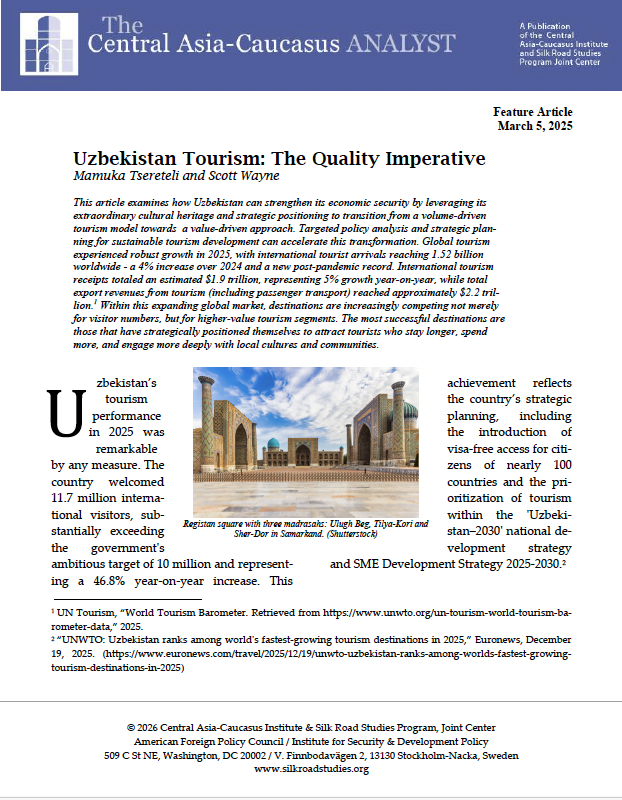
Uzbekistan Tourism: The Quality Imperative
By Mamuka Tsereteli and Scott Wayne
This article examines how Uzbekistan can strengthen its economic security by leveraging its extraordinary cultural heritage and strategic positioning to transition from a volume-driven tourism model towards more of a value-driven approach. Targeted policy analysis and strategic planning for sustainable tourism development can accelerate this transformation. Global tourism experienced robust growth in 2025, with international tourist arrivals reaching 1.52 billion worldwide - a 4% increase over 2024 and a new post-pandemic record. International tourism receipts totaled an estimated $1.9 trillion, representing 5% growth year-on-year, while total export revenues from tourism (including passenger transport) reached approximately $2.2 trillion. Within this expanding global market, destinations are increasingly competing not merely for visitor numbers but for higher-value tourism segments. The most successful destinations are those that have strategically positioned themselves to attract tourists who stay longer, spend more, and engage more deeply with local cultures and communities.
Why Are Central Asian Countries Accelerating Their Strategic Initiatives In Afghanistan
By Nargiza Umarova
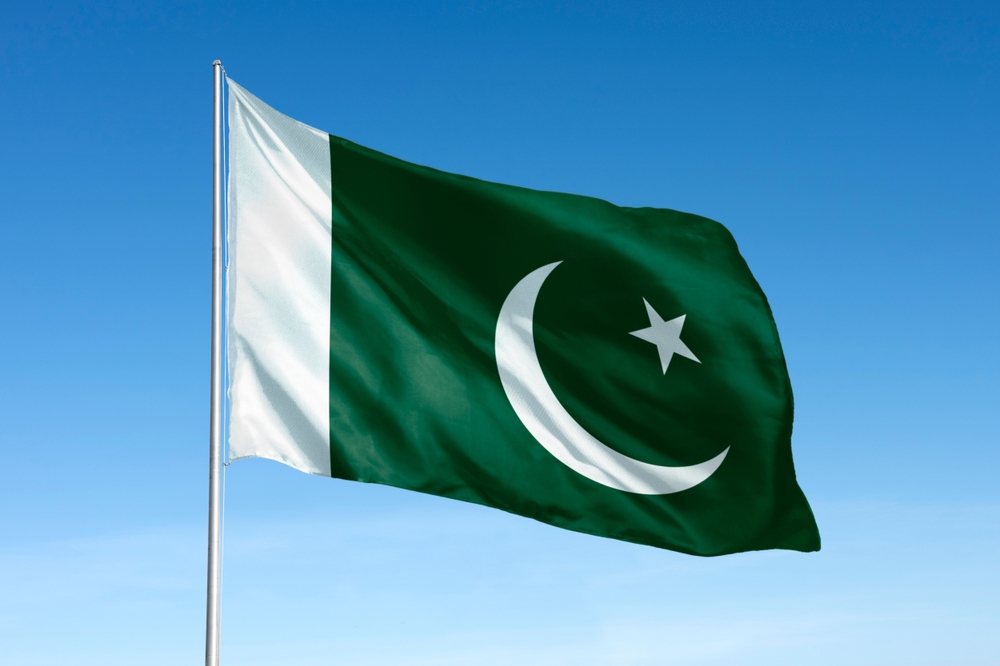
During the first week of February, the leaders of Kazakhstan and Uzbekistan paid state visits to Pakistan. For Islamabad, these visits represented a new stage in relations with the Central Asian states, based on shared interests in trade, transport logistics, industrial production, and military affairs. Thus, the prospect of Pakistan becoming a key link in the emerging regional connectivity architecture is becoming increasingly realistic, which could accelerate the development of joint infrastructure projects with the active participation of Afghanistan.
BACKGROUND:
Due to its geographical isolation from the open seas, Central Asia is extremely interested in making effective use of Pakistan’s transit capabilities, particularly its maritime infrastructure, which has undergone extensive development in recent years thanks to China’s Belt and Road Initiative. The Pakistani ports of Karachi and Gwadar are seen by regional countries as an alternative outlet to the Indian Ocean, complementing Iran’s southern ports. The fastest route to Pakistan is via neighboring Afghanistan, where large-scale infrastructure projects involving Uzbekistan, Turkmenistan and Kazakhstan are underway. Despite continuing tensions on the Afghan–Pakistani border and the conflictual nature of relations between New Delhi and Islamabad, these states are accelerating their strategic initiatives in Afghanistan.
On January 27, Kazakhstan’s ambassador to Pakistan announced that Astana was prepared to cover the full cost of constructing the western Trans-Afghan Railway, from Torghundi to Herat, Kandahar and Spin Boldak, with an extension to Chaman in Pakistan’s Balochistan province and on to the country’s seaports. The preliminary cost of the project is approximately US$ 7 billion, and the route’s length will be 687 kilometers. Construction is expected to be completed within three years.
This decision is clearly driven by Kazakhstan’s desire to strengthen its position in north-south transit transport, encompassing existing routes through Iran and emerging transport corridors crossing Afghanistan.
Meanwhile, Astana expresses support for the creation of the Kabul Corridor along the Termez-Naibabad-Maidanshahr-Logar-Kharlachi route proposed by Uzbekistan in 2018. In July 2025, the Uzbekistan-Afghanistan-Pakistan (UAP) railway project entered a new stage of development when a trilateral intergovernmental framework agreement on the joint development of the project’s feasibility study was signed. On February 4, 2026, Uzbekistan ratified the agreement and agreed with Pakistan to begin field studies on the transport corridor.
The UAP project is paving the way for a new north-south trade route through Kazakhstan, Uzbekistan and Afghanistan. This route will provide the fastest land connection between Europe, Russia and South Asia, eliminating the need for sea crossings. Against this backdrop, Tashkent has proposed the creation of a multimodal corridor connecting Belarus, Russia, Kazakhstan, Uzbekistan, Afghanistan and Pakistan, which is three times shorter than sea delivery routes. Following the launch of the Kabul Corridor, the 5,532-kilometer trade route to South Asia will be entirely rail-based. This will enable Kazakhstan to receive an additional transit flow of up to 20 million tons per year — the same amount as Uzbekistan. The projected transit volumes for Kyrgyzstan and Tajikistan are estimated at 5 million tons per year, thanks to the attraction of Chinese cargo.
IMPLICATIONS:
Astana’s participation in transit traffic from Belarus to Pakistan was discussed during bilateral talks held during Kazakh President Kassym-Jomart Tokayev’s state visit to Pakistan on February 4 , 2026. The parties also discussed the prospects for the Turkmenistan-Afghanistan-Pakistan (TAP) Railway Corridor.
Kazakhstan joined the initiative to construct a railway from Torghundi to Spin Boldak in Kandahar Province, which represents an alternative to the Kabul Corridor, in 2024 at the invitation of the Turkmen side. In July 2025, Astana and Kabul signed a memorandum to implement the project. Kazakhstan has announced that it will allocate US$ 500 million towards the construction of a railway line to Herat and the necessary accompanying infrastructure, including a logistics hub in northern Afghanistan. The stake has now been raised to cover the entire budget for the Western Trans-Afghan Route.
Astana’s active interest in the TAP project may be linked to current dynamics regarding the development of the Turkmenistan-Afghanistan-Pakistan-India (TAPI) gas transport corridor. Work began on laying the Afghan section of the 1,840-kilometer pipeline in December 2024. It is expected to reach Herat Province by the end of 2026.
Russia is paying close attention to TAPI, viewing it as an opportunity to diversify and stabilize its energy exports following the loss of the premium European market. In this context, Kazakhstan can expect to earn transit profits, providing additional expectations for the profitability of the railway from Torghundi to Spin Boldak, as the two transport routes will clearly be synchronized.
On February 1, 2026, a meeting was held in Herat between Mullah Abdul Ghani Baradar, Afghanistan’s Deputy Prime Minister for Economic Affairs, and Rashid Meredov, Turkmenistan’s Foreign Minister. They discussed the progress in constructing the TAPI gas pipeline, the power line between Turkmenistan, Afghanistan and Pakistan, and the Torghundi-Herat railway.
Both Ashgabat and Kabul are seeking to accelerate the TAPI project. At a recent meeting between Turkmenistan’s Ambassador, Khoja Ovezov, and Afghanistan’s Minister of Mines and Petroleum, Hedayatullah Badri, they noted the rapid pace of work on the Afghan section of the gas pipeline. It is reported that part of the route has already been prepared for pipe installation.
According to Afghan authorities, the Saudi Arabian company Delta International is interested in investing in the purchase of gas under the TAPI project, expanding Turkmenistan’s major gas fields and constructing and extending the gas pipeline from Guzara District of Herat Province to Spin Boldak District of Kandahar Province, and then on to the Indian border. The project would also involve building a large, modern gas hub at Pakistan’s Gwadar port.
CONCLUSIONS:
The dynamic development of relations with Afghanistan presents Central Asian states with the challenge of strengthening mutual coordination to ensure their infrastructure initiatives have complementary political and economic effects. To this end, it is advisable to hold regular consultations at the level of the heads of the Ministries of Foreign Affairs and other relevant ministries in the region, to agree on a unified negotiating position when interacting with the governments of Afghanistan and Pakistan, and to ensure the involvement of all five republics in interregional connectivity projects.
AUTHOR’S BIO:
Nargiza Umarova is a Head of the Center for Strategic Connectivity at the Institute for Advanced International Studies (IAIS), University of World Economy and Diplomacy (UWED) and an analyst at the Non-governmental Research Institution ‘Knowledge Caravan’, Tashkent, Uzbekistan. Her research activities focus on developments in Central Asia, trends in regional integration and the influence of great powers on this process. She also explores Uzbekistan’s current policy on the creation and development of international transport corridors. She can be contacted at This email address is being protected from spambots. You need JavaScript enabled to view it. .
Visit also